Anemia in Dogs: Causes, Symptoms, and Treatment in Northern Georgia

Anemia in Dogs: Causes, Symptoms, and Treatment in Northern Georgia
Is your dog acting more tired than usual, reluctant to play, or simply not themselves? These changes may cause understandable worry for any pet owner. Anemia in dogs is a health concern that can cause a range of symptoms, from mild lethargy to potentially life-threatening weakness. At Express Vets, our experienced veterinary team in Northern Georgia is committed to helping you recognize the signs of anemia, understand what causes it, and know how our veterinary professionals can diagnose and treat this condition. In this article, we will guide you through the key symptoms to watch for, explain why anemia occurs, discuss treatment options available at our hospital, and share practical tips for preventive care. If you’re looking for answers about anemia in dogs in Northern Georgia, or wondering when you should schedule an appointment for a comprehensive pet exam, you’re in the right place. For more information about our preventive care services, visit our wellness examination page.
Recognizing the Signs of Anemia in Dogs
Anemia occurs when your dog’s body does not have enough healthy red blood cells to carry adequate oxygen to tissues. This can manifest in a variety of ways, often starting subtly before becoming more noticeable. Key symptoms of anemia in dogs include unusual tiredness, a lack of interest in play, or your pet sleeping more than usual. Some dogs may develop pale gums or inner eyelids, which you might notice when gently lifting their lip. Additional warning signs can include rapid breathing, weakness when standing or walking, a faster than normal heart rate, or even fainting in severe cases.
Many pet owners in Northern Georgia notice changes in their dog’s appetite or observe that their dog gets winded on short walks—especially in the region’s warmer months. Sometimes, darker colored urine or persistent digestive upset can also be clues. Every dog is unique, so symptoms may be mild or intense depending on the underlying cause. If you notice any of these signs, it’s important to seek veterinary guidance promptly. Our veterinary professionals are trained to distinguish between normal behavior changes and those that may indicate a medical problem like anemia.
What Causes Anemia in Dogs?
Understanding why anemia develops is crucial for effective treatment and prevention. Anemia in dogs can result from a variety of underlying conditions, all of which disrupt the production or survival of red blood cells. Common causes include blood loss due to injury, surgery, or internal bleeding in the digestive tract. In some cases, parasites such as fleas, ticks, or intestinal worms can lead to chronic blood loss, especially in puppies or dogs who spend time outdoors in the Northern Georgia area.
Other causes of anemia involve immune system problems, where the body mistakenly destroys its own red blood cells. This type of anemia, known as immune-mediated hemolytic anemia, can be triggered by infections, certain medications, or sometimes appears without a clear cause. Chronic diseases like kidney failure, cancer, or ongoing inflammation can also suppress the bone marrow’s ability to produce new red blood cells.
In regions like Northern Georgia, tick-borne diseases such as ehrlichiosis or babesiosis are possible culprits, especially for dogs who hike or play in wooded areas. Genetic conditions, nutritional deficiencies, or exposure to toxins are less common but can still play a role. Since the causes are so varied, pinpointing the reason behind your dog’s anemia requires a thorough veterinary evaluation, which may include blood tests, stool analysis for parasites, and advanced diagnostics. Our in-house pet diagnostic lab allows us to quickly assess your dog’s overall health and identify the root cause of anemia.
How Our Veterinary Team Diagnoses and Treats Anemia
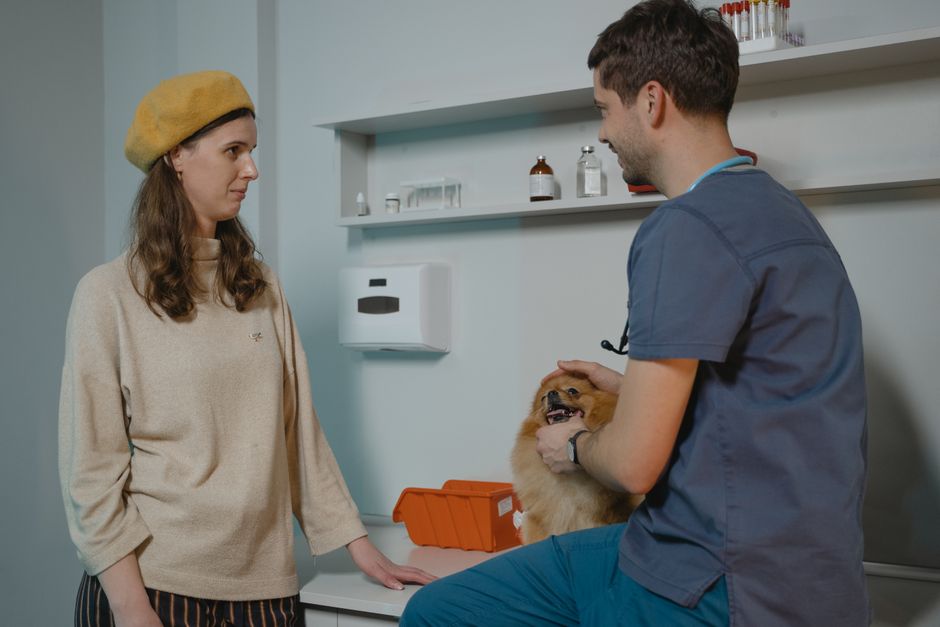
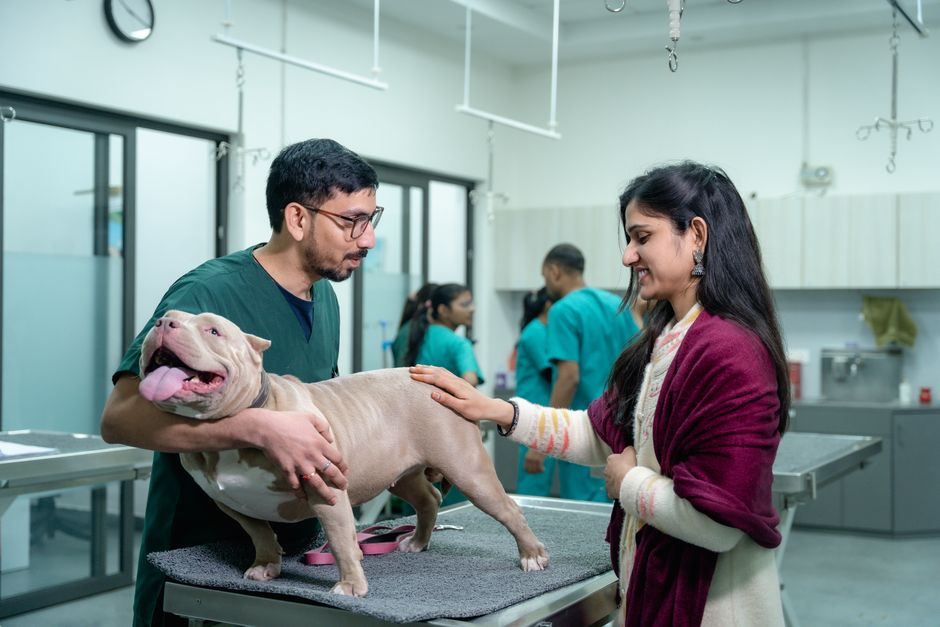
When you bring your dog to Express Vets with concerns about possible anemia, our veterinarians begin with a detailed history and physical exam. We ask questions about your dog’s recent activity, diet, parasite prevention, and any other symptoms you may have noticed. During the appointment, our veterinary professionals will check for pale gums, abnormal heart or breathing rates, and any signs of bleeding or bruising.
Diagnostic testing is a key part of the process. We typically recommend a complete blood count (CBC) to evaluate red blood cell levels, as well as other laboratory tests to check organ function and screen for infectious diseases or parasites. If internal bleeding is suspected, imaging tools such as X-rays or ultrasound may be used. Our pet diagnostic lab in Northern Georgia provides rapid results, so your dog’s treatment can begin as soon as possible.
Treatment approaches for anemia in dogs depend on the underlying cause. If blood loss from parasites is identified, immediate treatment with parasite control medications is initiated. For immune-mediated anemia, therapy may involve corticosteroids or other medications to suppress the immune system’s attack on red blood cells. Supportive care, such as intravenous fluids, nutritional support, and in severe cases, blood transfusions, may be necessary to stabilize your pet.
We understand how stressful it can feel when your dog is unwell. Our veterinary team works closely with you to develop a personalized treatment plan, provide frequent updates, and ensure you understand each step of the process. Throughout your dog’s recovery, follow-up visits are important to monitor progress and adjust treatment as needed. For ongoing concerns or chronic conditions, our primary veterinary care services are designed to support your dog’s long-term health.
Preventing Anemia in Dogs: Tips for Pet Owners in Northern Georgia
While some causes of anemia cannot be prevented, many can be managed or avoided with proactive care. Regular wellness examinations are essential for catching developing problems early, often before symptoms become obvious. Keeping your dog on a year-round parasite prevention program is especially important in Northern Georgia, where fleas, ticks, and intestinal parasites are common throughout much of the year. Your veterinarian can recommend the best products for your pet’s lifestyle and risk factors.
Providing a balanced diet, ensuring your dog receives all necessary vaccinations, and protecting them from exposure to toxins like certain plants, human medications, or chemicals in the environment are important steps. For dogs with chronic medical conditions, consistent monitoring and follow-up care with your veterinary team is key to minimizing complications that could lead to anemia.
At home, stay alert to changes in your dog’s energy, appetite, and behavior. Early intervention can make a significant difference in outcome. If your pet is recovering from surgery or illness, follow all post-care instructions carefully and keep scheduled follow-up appointments.
When to Seek Veterinary Care for Anemia in Dogs
It’s important to know when a situation requires prompt veterinary attention. If you notice your dog is suddenly weak, has very pale gums, is breathing rapidly without exercise, or collapses, these are urgent symptoms that may indicate severe anemia or another critical condition. Do not wait to see if your dog improves on their own; schedule an appointment with your veterinarian promptly.
Even milder signs, such as gradual tiredness or reduced appetite, should not be ignored. Anemia can progress quickly, and early diagnosis gives your dog the best chance at a full recovery. Our veterinary professionals at Express Vets are dedicated to providing compassionate, expert care for dogs with anemia and other health concerns. If you’re searching for a “vet near me” who can help with symptoms of anemia in dogs, our hospital in Northern Georgia is ready to support you and your pet.
Supporting Your Dog’s Health: Your Local Partner in Pet Care
Anemia in dogs can be a worrying diagnosis, but with attentive care and early intervention, many pets go on to live happy, healthy lives. By recognizing the signs early, understanding the causes, and seeking timely veterinary care, you give your pet the best possible outcome. Our veterinary team at Express Vets is here for you every step of the way, from diagnosis and treatment to preventive care and ongoing support.
If you have concerns about anemia in dogs, or notice any changes in your pet’s health, don’t hesitate to reach out. Schedule a wellness examination or sick visit with our experienced veterinarians, or call us at (678) 397-7377 to discuss your concerns. We proudly serve Northern Georgia and surrounding communities, providing trusted care you can rely on. When you need a veterinarian near me who understands your pet’s needs, Express Vets is here to help.
For additional information about pet health, anemia, and regional concerns, you can explore resources from the American Veterinary Medical Association and Cornell University College of Veterinary Medicine. Always consult your veterinarian for specific medical advice, as each pet’s situation is unique.
Your pet’s health and comfort are our top priorities. Let’s work together to keep them strong, active, and thriving in Northern Georgia.