Do Dogs Have Baby Teeth? Puppy Dental Facts for Georgia Owners
Do Dogs Have Baby Teeth? Puppy Dental Facts for Georgia Owners
If you have ever watched your new puppy chew on everything in sight, you might have wondered: do dogs have baby teeth like people do? This is a common question for pet owners in Northern Georgia, and understanding your puppy’s dental development is key to ensuring a healthy start for your dog’s lifelong smile. At Express Vets, our team of veterinarians is dedicated to supporting your pet’s well-being, from their very first tooth to their adult dental care. In this guide, we’ll walk you through the timeline of puppy tooth development, what to expect during teething, how to recognize potential dental issues, and practical steps you can take to protect your puppy’s oral health. Whether you live in Dalton, Rome, Calhoun, or anywhere in the surrounding Northern Georgia communities, our goal is to make dental care approachable and stress-free for both you and your puppy.
You’ll also discover when it’s time to schedule a wellness examination for your puppy and how preventive care at Express Vets can help catch dental problems early. Let’s explore the fascinating world of puppy teeth and what every Georgia pet owner should know about keeping their dog healthy from the very beginning.
Recognizing Puppy Teething: Signs Your Dog Is Growing Baby Teeth
Puppies, like human children, go through a teething phase as they grow. The process typically begins when your puppy is around three weeks old; during this time, their first set of teeth, known as deciduous or “baby” teeth, starts to emerge. For most pet owners, the earliest signs are subtle — you may notice your puppy beginning to chew on toys, furniture, or even your shoes more frequently. Chewing helps relieve the discomfort caused by erupting teeth.
Other signs that your puppy is teething include mild swelling or redness of the gums, occasional drooling, and a tendency to paw at their mouth. Some puppies may also display mild irritability or a slight reluctance to eat crunchy kibble, especially if their gums are sore. It’s not uncommon to find tiny, rice-sized teeth on the floor or in your puppy’s bedding, as baby teeth naturally fall out to make room for adult teeth. If you spot blood-tinged drool or notice your puppy chewing more aggressively than usual, these are often normal parts of the teething process. However, persistent pain, swelling, or refusal to eat may signal that something more serious is going on.
Do Dogs Have Baby Teeth? Understanding the Puppy Dental Timeline
The answer is yes; dogs do have baby teeth. Puppies are born without visible teeth, but by three to four weeks of age, their deciduous teeth begin to erupt. There are 28 baby teeth in total, compared to 42 adult teeth that will eventually take their place. The process of losing baby teeth and gaining adult teeth is usually complete by six months of age.
The timeline of dental development for puppies generally follows a predictable pattern. Incisors, the small teeth at the front of the mouth, come in first, followed by canine teeth (the long, pointed teeth) and then premolars. By eight weeks, most puppies have a full set of baby teeth. Between three and six months of age, these teeth will gradually fall out as permanent adult teeth come in. This transition can be a little uncomfortable for your puppy, but with the right support and regular veterinary check-ups, most puppies navigate this stage without major problems.
Keeping track of your puppy’s dental milestones not only helps you anticipate their needs but also ensures you can catch any irregularities early. Some puppies may retain baby teeth that don’t fall out on their own, which can lead to crowding or misalignment of adult teeth. Scheduling a wellness examination at Express Vets during this period is a great way to ensure your puppy’s mouth is developing as it should.
Managing Puppy Teething: What to Expect and How to Help
Teething is a normal part of your puppy’s development, but it can be a challenging time for both you and your growing dog. As those baby teeth loosen and fall out, puppies instinctively chew to soothe their sore gums. Safe chew toys, frozen washcloths, and vet-approved dental treats can all help manage discomfort. Providing appropriate items for your puppy to chew on is important; it protects your belongings and, more importantly, helps prevent accidental injury to fragile baby teeth.
During this phase, it’s also common for puppies to experience mild gum bleeding or for you to spot a missing tooth. These are not usually cause for concern, but if you notice persistent bleeding, foul odor, or significant swelling, it’s wise to consult your veterinarian. Express Vets often sees pet owners who are concerned about the teething process, and our veterinary team is here to answer your questions and offer guidance tailored to your puppy’s specific needs.
Patience and supervision are key during teething. Redirecting your puppy from inappropriate chewing (like on shoes or furniture) to safe chew toys helps reinforce positive habits and keeps both your puppy and your household safe.
Preventing Puppy Dental Issues: Setting the Stage for Lifelong Oral Health
Establishing good dental habits early in life lays the groundwork for your dog’s future health. Even though baby teeth are temporary, they play an important role in helping your puppy eat, learn to chew properly, and develop strong jaw muscles. Healthy baby teeth also guide the adult teeth into their correct positions.
To prevent dental problems, start by introducing gentle tooth brushing as soon as your puppy’s baby teeth appear. Even young puppies can become comfortable with the sensation of a soft toothbrush and pet-safe toothpaste. Creating a positive association with dental care in these early months makes future brushing much easier. Additionally, offering dental chews and toys designed for puppies supports healthy gums and helps with the discomfort of teething.
Regular veterinary visits are another cornerstone of preventive dental care. During your puppy’s wellness examination at Express Vets, our veterinary professionals will check for any signs of retained baby teeth, abnormal bite alignment, or early plaque buildup. We also recommend discussing pet vaccinations during these visits, as a healthy mouth supports your puppy’s immune system and overall well-being.
When to Seek Veterinary Care for Your Puppy’s Teeth
While most puppies lose their baby teeth and develop strong adult teeth without complications, there are times when professional intervention is necessary. Retained baby teeth, where the adult tooth emerges but the baby tooth does not fall out, can cause discomfort, crowding, and increase the risk of dental disease. If you notice two teeth occupying the same space, schedule a veterinary appointment promptly.
Other warning signs that call for veterinary care include persistent bad breath, difficulty eating, excessive drooling, visible swelling in the mouth, or any broken or discolored teeth. Puppies are naturally curious and may injure their mouths during play, so it’s important to keep a close eye on changes in eating or chewing behavior. If your puppy is hesitant to play with chew toys, suddenly avoids meals, or seems unusually irritable, these are all indicators that a dental exam may be needed.
At Express Vets in Northern Georgia, our team of veterinarians is equipped to address all aspects of your puppy’s dental development. We offer comprehensive exams and can remove retained baby teeth or address other dental concerns safely and comfortably. Early intervention not only resolves current issues but also helps prevent more serious dental problems in adulthood.
Building Healthy Dental Habits: Home Care Tips for Georgia Puppy Owners
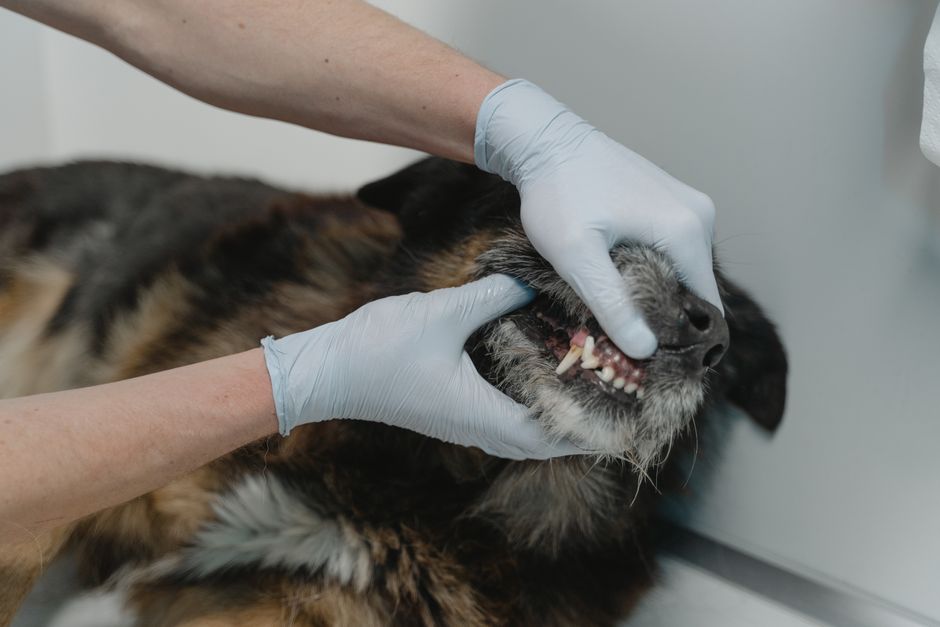
As a pet owner in Northern Georgia, incorporating dental care into your puppy’s daily routine is easier than you might think. Begin by handling your puppy’s mouth gently, lifting their lips and touching their teeth to get them accustomed to oral exams. Use a soft-bristled, pet-specific toothbrush and toothpaste formulated for dogs; never use human toothpaste, as it can be harmful.
Make tooth brushing a positive experience by rewarding your puppy with gentle praise or a favorite toy after each session. Even if you only manage a few seconds of brushing at first, consistency will help your puppy adapt over time. In addition to brushing, offer chew toys and dental treats approved by your veterinarian; these items help reduce plaque and keep gums healthy as adult teeth come in.
Stay watchful for signs of dental discomfort and keep up with regular wellness examinations. These visits allow our team to monitor your puppy’s dental progress and provide personalized advice to support your pet’s oral health. If you have questions about dental care products or techniques, our veterinary professionals are always ready to guide you in making the best choices for your dog.
Why Early Dental Care Matters: The Express Vets Approach
At Express Vets, we believe that preventive care is the foundation of a healthy, happy life for your pet. Our veterinarians emphasize the importance of early dental care because problems that start with baby teeth can lead to lifelong complications if not addressed. By making dental check-ups part of your puppy’s routine veterinary care, you give your dog the best chance at a bright, pain-free future.
We see many puppies from Dalton, Rome, Calhoun, and throughout Northern Georgia, and every pet receives individualized attention during their visit. Our veterinary team takes the time to answer your questions, demonstrate proper home care techniques, and provide resources to support your puppy’s dental health at every stage.
When to Look for a Veterinarian Near Me for Puppy Dental Needs
If you are searching for a vet near me who understands the unique needs of your growing puppy, Express Vets is here to help. Our clinics in Northern Georgia offer comprehensive dental care as part of our wellness examination program, so you can be confident your puppy is getting the best start possible. Whether you have questions about baby teeth, need advice about teething toys, or want to schedule your puppy’s first dental evaluation, our team is ready to support you.
To book an appointment, call (678) 397-7377 or visit our website to learn more about our services and how we can help your puppy thrive. At Express Vets, we are committed to making dental care approachable and effective for every Georgia pet owner.
Final Thoughts: Give Your Puppy the Gift of a Healthy Smile
Understanding do dogs have baby teeth is just the first step in supporting your puppy’s dental health. By recognizing the signs of teething, practicing good home care, and partnering with a trusted veterinary team, you set your dog up for a lifetime of healthy smiles. Express Vets is proud to serve Northern Georgia and surrounding communities with compassionate, expert care for every stage of your pet’s life.
Ready to start your puppy on the path to excellent dental health? Schedule a wellness examination with our knowledgeable team today. If you are looking for a veterinarian near me with a passion for preventive care, Express Vets is your local resource for all things puppy health and happiness. Call (678) 397-7377 to make your appointment and let us help your dog enjoy a bright, healthy future.