Do Dogs Have Baby Teeth? Puppy Dental Facts for Pet Owners

Do Dogs Have Baby Teeth? Puppy Dental Facts for Pet Owners
Have you ever watched your puppy chewing on everything in sight and wondered if dogs have baby teeth, just like children do? Understanding your puppy’s dental development is an important part of raising a healthy, happy pet. At Express Vets in Northern Georgia, we know that a puppy's early months are filled with rapid changes, and dental health plays a key role in their comfort and well-being. In this guide, we’ll answer the common question, "Do dogs have baby teeth?" and explore what pet owners need to know about teething, when to expect tooth loss, and how to keep your puppy’s mouth healthy as they grow. We’ll also share how regular wellness examinations at our veterinary hospital can help you catch dental issues early, ensuring your puppy’s smile stays bright. Whether you’re a new puppy owner or just looking to brush up on your dental care knowledge, this blog will cover everything you need to support your puppy’s dental journey.
Recognizing Puppy Teething: Signs Your Dog Has Baby Teeth
Puppies, just like human infants, start life with a set of baby teeth—also called deciduous or milk teeth. These tiny teeth begin to erupt at just a few weeks old, and by the time most puppies come home to their new families at 8 weeks, their mouths are full of sharp, white teeth. Some signs that your puppy is in the teething stage include increased chewing, drooling, and sometimes mild gum irritation. You might notice your puppy gnawing on toys, shoes, or even your fingers more than usual. This behavior is your puppy’s way of relieving the discomfort that comes with new teeth erupting and, later, with the process of losing those baby teeth.
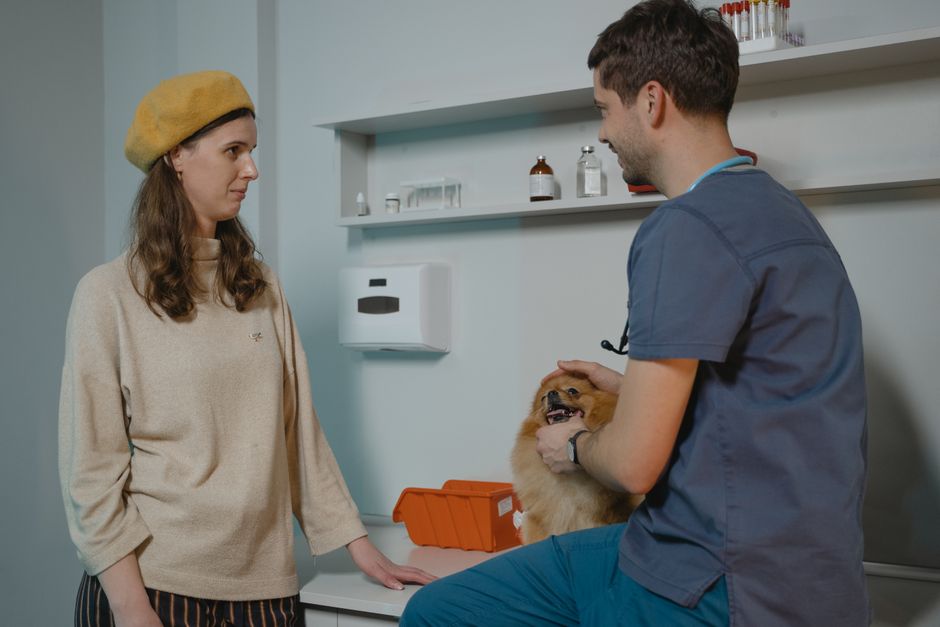
Other symptoms to watch for during teething include slight bleeding from the gums, reluctance to eat hard food, or finding tiny teeth around your home. While most puppies handle teething without much trouble, some may experience mild discomfort or changes in appetite. If your puppy seems especially uncomfortable or starts avoiding food, it’s a good idea to schedule a visit with the veterinary team at Express Vets. Our veterinarians can determine whether the teething process is on track and offer advice to make your puppy more comfortable.
The Science Behind Puppy Teeth: Why Do Dogs Have Baby Teeth?
Understanding why dogs have baby teeth begins with the basics of canine dental development. Puppies are born without teeth; their baby teeth start to come in at about three weeks of age. By six to eight weeks, most puppies have a complete set of 28 baby teeth. These teeth are smaller and sharper than adult teeth, designed to help puppies learn to eat solid foods and explore their environment.
The reason dogs have baby teeth is simple: their jaws are too small to accommodate the larger, stronger adult teeth they’ll need for life. As puppies grow, their jaws expand, making room for 42 adult teeth, which start to erupt around three to four months old. The body naturally pushes out the baby teeth to make way for these permanent teeth. This process, called tooth exfoliation, is a normal part of puppy development.
Occasionally, a puppy may retain one or more baby teeth even after the adult teeth have come in. This situation, known as a retained deciduous tooth, can lead to dental crowding, gum irritation, and increased risk of tartar buildup. If you suspect your puppy still has baby teeth after six months, it’s important to schedule a wellness examination so our veterinary professionals can evaluate your puppy’s mouth and recommend any necessary treatment.
Managing Teething: How to Care for Your Puppy’s Baby Teeth
Caring for a teething puppy involves patience, understanding, and a few practical strategies to keep your puppy comfortable and your belongings safe. Providing safe chew toys is one of the best ways to help your puppy manage teething discomfort. Look for toys designed specifically for puppies, as these are gentle on sore gums but durable enough for enthusiastic chewing.
It’s also important to discourage your puppy from chewing on inappropriate objects, such as furniture or shoes, by redirecting them to their toys. Offering frozen washcloths or specially made teething treats can also provide relief, as the cold helps soothe irritated gums. If your puppy seems determined to chew on hands or fingers, gently redirect them and offer a suitable alternative.
Daily dental care can begin as early as the teething stage. While brushing might be a challenge if your puppy’s gums are sensitive, getting your puppy used to having their mouth handled and introducing canine toothpaste with a fingertip brush can set the stage for a lifetime of good dental habits. Our veterinarians at Express Vets are happy to demonstrate gentle brushing techniques and recommend appropriate dental care products for your puppy.
Preventing Dental Problems: Home Care and Professional Support
Early dental care can help prevent common problems as your puppy matures. One of the most effective steps is establishing a dental care routine, which may include brushing your puppy’s teeth a few times a week and providing dental-friendly treats or chews approved by our veterinary team. Regular wellness examinations are essential for monitoring dental development, identifying retained teeth, and catching any signs of dental disease before they become serious.
Vaccination visits are also an excellent opportunity to discuss your puppy’s dental health. During these appointments, our team can examine your puppy’s mouth, answer questions about teething, and provide advice tailored to your pet’s needs. If you notice bad breath, swelling, persistent bleeding, or difficulty eating, these can be early signs of dental problems that require professional attention.
Additionally, keeping your puppy’s mouth clean and free of leftover food or debris will help reduce the risk of infections. Chew toys that promote healthy gums and teeth can be a valuable addition to your pet’s routine. Our team is always available to help you select products that support your puppy’s dental health and overall well-being.
When to Visit the Vet: Signs Your Puppy Needs Professional Dental Care
While teething is a normal part of growing up, some situations call for a veterinary visit. If your puppy has persistent bad breath, swelling of the gums, noticeable pain, or difficulty eating, these may be signs of dental issues that require prompt attention. Additionally, if you observe retained baby teeth after six months of age, it’s important to have these evaluated, as they can lead to crowding, misalignment, and an increased risk of dental disease.
Our veterinary team at Express Vets can assess your puppy’s dental development during routine checkups and provide recommendations if intervention is needed. In some cases, retained baby teeth may need to be removed to protect the health of the adult teeth and prevent future complications.
Staying proactive with dental checkups is the best way to ensure your puppy’s mouth remains healthy. Regular visits allow us to identify concerns early, provide preventive care, and help you navigate the sometimes challenging teething stage with confidence.
Puppy Dental Facts Every Pet Owner Should Know
Understanding the answer to "do dogs have baby teeth" can help you better care for your puppy during this important developmental stage. Puppies have a full set of baby teeth that are eventually replaced by permanent adult teeth, usually by six months of age. Teething can be uncomfortable, but with the right support, your puppy will sail through this milestone with minimal stress.
Key facts to remember include the timing of baby tooth eruption and loss, the importance of safe chew toys, and the value of preventive dental care. By partnering with your veterinary team for regular wellness examinations, you set your puppy up for a lifetime of healthy smiles.
Keeping Your Puppy’s Smile Bright: Partner with Express Vets in Northern Georgia
Caring for your puppy’s teeth from the start is one of the best ways to ensure a happy, healthy adulthood. If you’re wondering about questions like "do dogs have baby teeth" or are looking for expert guidance on puppy teething and dental care, the team of veterinarians at Express Vets is here to help. Scheduling regular checkups and discussing dental health with our veterinary professionals can prevent common issues and make teething a smoother process for both you and your puppy.
If you’re searching for a vet near me who truly understands the needs of puppies and their owners, look no further than Express Vets in Northern Georgia. Our compassionate team is dedicated to supporting your puppy’s health at every stage. To schedule a wellness examination or discuss your puppy’s dental development, call (678) 397-7377 or visit our website. We look forward to welcoming you and your four-legged friend to our practice and helping your puppy grow up with a healthy, happy smile.
This article is for informational purposes only and does not replace professional veterinary advice. Always consult your veterinarian with questions about your pet’s health or before starting any new routine.