Dog Tooth Infection Symptoms and Treatment: What Owners Need to Know
Dog Tooth Infection Symptoms and Treatment: What Owners Need to Know
Is your dog suddenly pawing at their mouth, refusing their favorite chew toy, or shying away from meals? Dental problems are surprisingly common in dogs, and a dog tooth infection can develop quickly—sometimes before you even notice subtle changes in behavior. At Express Vets in Northern Georgia, our veterinary team understands how distressing it can feel to worry about your dog’s oral health. In this article, we’ll explain how to recognize the signs of a dog tooth infection, why timely veterinary care is essential, and what you can expect from treatment. You’ll also discover tips for preventing dental issues and learn when it’s time to schedule a professional wellness examination to protect your dog’s whole-body health. Our goal is to help pet owners in Northern Georgia and surrounding communities feel confident caring for their dogs, knowing Express Vets is here to support you every step of the way.
Recognizing the Signs of a Dog Tooth Infection
Spotting a dog tooth infection early can make all the difference in successful treatment and your dog’s comfort. While some dogs show obvious discomfort, others may hide their pain or act only slightly different. Key symptoms of a tooth infection in dogs include bad breath that lingers no matter what, drooling more than usual, or pawing at the face. You might also notice swelling of the gums or along the jawline, visible pus or discharge near a tooth, or redness and bleeding in the mouth. Many owners report that their dog suddenly avoids eating hard food or treats, chews only on one side, or drops food from their mouth when eating. Loss of appetite and changes in behavior—such as increased irritability, withdrawal, or even lethargy—can also signal something is wrong. In advanced cases, a dog with a tooth infection may develop swelling below an eye or along the muzzle, or you may see a draining sore on the face. Because these signs overlap with other dental and health issues, it’s important to seek veterinary advice as soon as you notice anything unusual about your dog’s mouth, appetite, or demeanor.
What Causes Tooth Infections in Dogs?
Understanding why a dog tooth infection develops can help you manage your dog’s health more proactively. Most dental infections in dogs are caused by untreated periodontal disease, which starts with plaque and tartar buildup along the gumline. As bacteria thrive in this environment, the gums become inflamed and gradually pull away from the teeth, creating pockets where infection can settle. Over time, bacteria can invade the root of a tooth, leading to an abscess—an accumulation of pus that causes pain and swelling. Other causes of tooth infections include fractured teeth, which may happen when a dog chews on hard objects like bones, antlers, or rocks. Deep cracks or exposed pulp from trauma open the door for bacteria to enter directly into the tooth root. In rare cases, oral tumors, immune system disorders, or underlying illnesses can weaken a dog’s ability to fight off infection in the mouth. Dogs of any breed or age can develop dental infections, but small breeds, brachycephalic (short-nosed) breeds, and older dogs tend to be at higher risk due to crowded teeth and age-related changes.
How Express Vets Treats Dog Tooth Infections
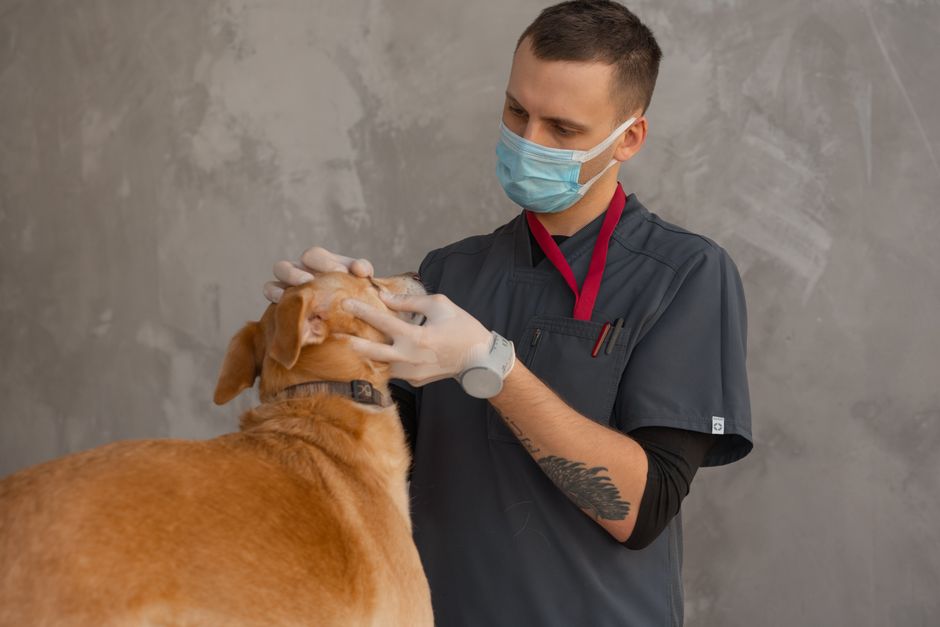
When faced with a suspected dog tooth infection, the team at Express Vets starts with a thorough oral exam and may recommend dental X-rays to pinpoint the extent of the problem. These diagnostic steps help us determine whether the infection is limited to the gum and tooth root or has spread further. Treatment approaches typically involve a combination of antibiotics to control the infection, pain management to keep your dog comfortable, and professional dental procedures to address the root cause. In many cases, the affected tooth must be extracted to prevent the infection from spreading to other teeth, the jawbone, or even distant organs via the bloodstream. Our veterinary professionals use safe anesthesia and advanced dental tools to ensure your dog’s procedure is as stress-free and effective as possible. After treatment, we provide detailed home care instructions to help your dog recover smoothly. Follow-up visits are important to monitor healing and prevent future problems. If your dog is showing signs of illness related to a suspected dental infection—such as fever, poor appetite, or behavior changes—don’t delay a sick visit with our team. Prompt care is the best way to ensure a full recovery and protect your dog’s long-term health.
Preventing Dental Infections at Home
While not every dental problem can be prevented, there’s a lot you can do at home to reduce your dog’s risk of tooth infection. Regular tooth brushing with a dog-safe toothpaste is one of the most effective ways to control plaque and tartar. Getting your dog used to gentle brushing early on can make a big difference. Dental chews and toys designed to clean teeth while your dog plays can help, though they should never replace regular brushing. Offering a diet that supports oral health, such as veterinary-recommended dental diets, may also contribute to healthier gums and teeth. Some owners notice that their dog’s breath improves with these diets, and the mechanical action of the kibble helps reduce tartar buildup. Scheduling professional dental cleanings as recommended by your veterinarian is key, especially for small breeds and older dogs. During these cleanings, our veterinary team can remove tartar that brushing can’t reach and spot early signs of trouble before infection sets in. Avoid giving your dog hard chews that could fracture teeth; instead, choose products approved by the Veterinary Oral Health Council or recommended by your veterinarian. Be attentive to any changes in your dog’s eating habits, breath, or behavior, as subtle shifts can signal dental discomfort before infection is visible.
When to Seek Veterinary Care for a Dog Tooth Infection
Knowing when to call your veterinarian can be tricky, especially if your dog tries to hide their pain. If you notice persistent bad breath, swelling in or around the mouth, pus or blood in the saliva, difficulty eating, or behavioral changes such as sudden withdrawal or irritability, it’s time to schedule an appointment right away. Dental infections can worsen quickly and may lead to serious health complications if not addressed. Infections that spread beyond the tooth root can cause abscesses, bone loss, or systemic illness affecting the heart, kidneys, and liver. If your dog develops a fever, stops eating entirely, or you see swelling below the eye or a draining wound on the face, these are urgent signs that require immediate veterinary attention. Our wellness examination is designed to catch dental issues early, but we’re also here for you if your dog develops sudden symptoms. Never attempt to treat a tooth infection at home with over-the-counter medications, as these can be harmful or ineffective for dogs. Always consult your veterinarian for a proper diagnosis and safe, effective treatment plan.
Supporting Your Dog’s Dental Health in Northern Georgia
Dental care is a vital part of your dog’s overall well-being. By staying alert to symptoms of a dog tooth infection, understanding the causes, and seeking professional treatment promptly, you help ensure your dog leads a happy, pain-free life. Our team of veterinarians at Express Vets in Northern Georgia is committed to providing compassionate, expert care for every member of your family—whether you need guidance on home dental hygiene or advanced treatment for a dental infection. If you’re searching for a trusted "vet near me" or want to schedule a dental check-up for your dog, we’re here to help. To book a comprehensive wellness examination, or if you have concerns about dog tooth infection symptoms, contact our veterinary professionals today at (678) 397-7377 or visit us in Northern Georgia. Express Vets is dedicated to supporting pet owners in Northern Georgia and surrounding communities with the highest standard of veterinary care—because your dog deserves nothing less.
This article is intended for informational purposes only and should not replace professional veterinary care. If your dog is showing signs of illness or dental discomfort, always consult your veterinarian for an accurate diagnosis and appropriate treatment.