Keeping Cats Cool and Comfortable in Georgia’s July Heat
Keeping Cats Cool and Comfortable in Georgia’s July Heat
When July arrives in Northern Georgia, the summer heat can feel relentless—not just for people, but for our cats as well. Whether your feline prefers lounging by the window or spending supervised time outdoors, high temperatures and humidity can quickly turn dangerous. At Express Vets, our team of veterinarians understands how important it is to keep your cat safe, hydrated, and content through the hottest months. In this blog, we will guide you through warning signs of heat stress in cats, explain why cats are prone to overheating, discuss effective ways to protect your indoor and outdoor feline, and help you know when professional veterinary care is needed. Our preventive care exams and comprehensive pet wellness services are designed to support your cat’s health year-round, especially when summer brings extra challenges. If you are concerned about your cat’s comfort, or simply want peace of mind as temperatures rise, Express Vets in Northern Georgia is here to help.
Recognizing Signs of Heat Stress in Cats
Cats are known for seeking out warm, sunny spots. However, even the most heat-loving feline can quickly become uncomfortable or even dangerously ill when temperatures soar. Knowing the signs of heat stress is the first step in protecting your cat during a Southern summer.
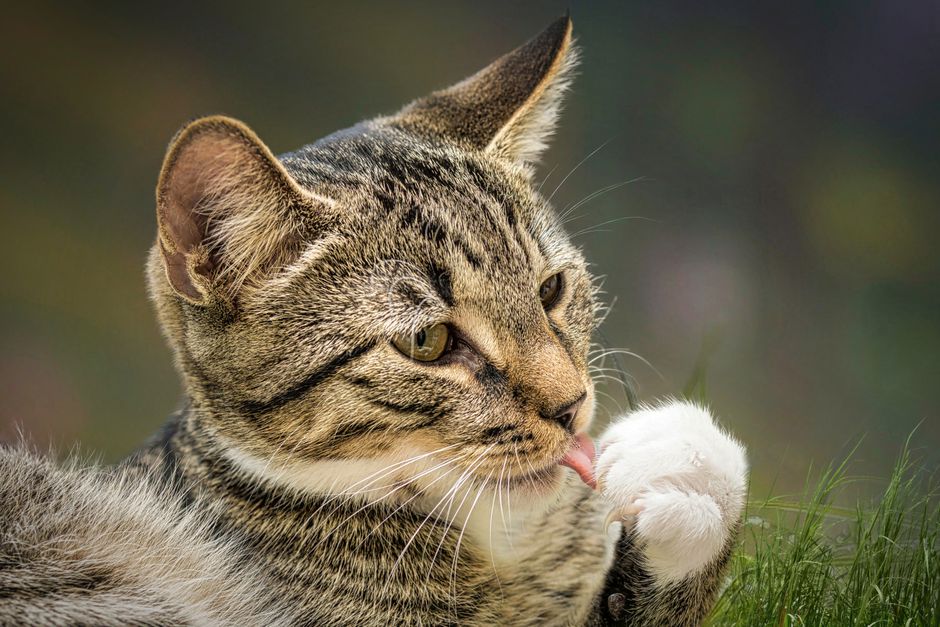
Key symptoms of overheating in cats include rapid or open-mouth breathing (panting), excessive grooming in an effort to cool off, drooling, red or pale gums, lethargy, or an unsteady gait. You may also notice your cat seeking cool surfaces, hiding more than usual, or appearing restless. In severe cases, vomiting, diarrhea, or collapse can occur. If your cat is allowed outdoors, watch for signs such as reluctance to move, rapid breathing, or disorientation when returning inside. Even indoor cats are at risk if your home becomes excessively warm, so it is important to monitor all felines closely during heatwaves.
Why Are Cats Prone to Overheating in Georgia’s Summer?
Cats are naturally adapted to warm climates, but there are limits to what their bodies can handle. In Northern Georgia, high humidity can make it difficult for cats to regulate their temperature effectively. Unlike dogs, cats do not sweat to release heat; instead, they rely on grooming and finding cool places to rest. When the air is humid, evaporation from grooming is less effective, and heat becomes trapped in their bodies.
Factors that increase a cat’s risk of overheating include age, breed, and underlying health conditions. Senior cats, kittens, and those with flat faces (such as Persians or Himalayans) are particularly sensitive to heat. Overweight cats and those with heart or respiratory problems are also at higher risk. Outdoor cats are exposed to direct sun, hot surfaces, and limited access to fresh water, making them especially vulnerable during the hottest hours of the day. Even indoor cats can be affected if air conditioning fails or if they are confined to sunlit rooms without adequate shade.
Professional Treatment and What to Expect at the Veterinary Clinic
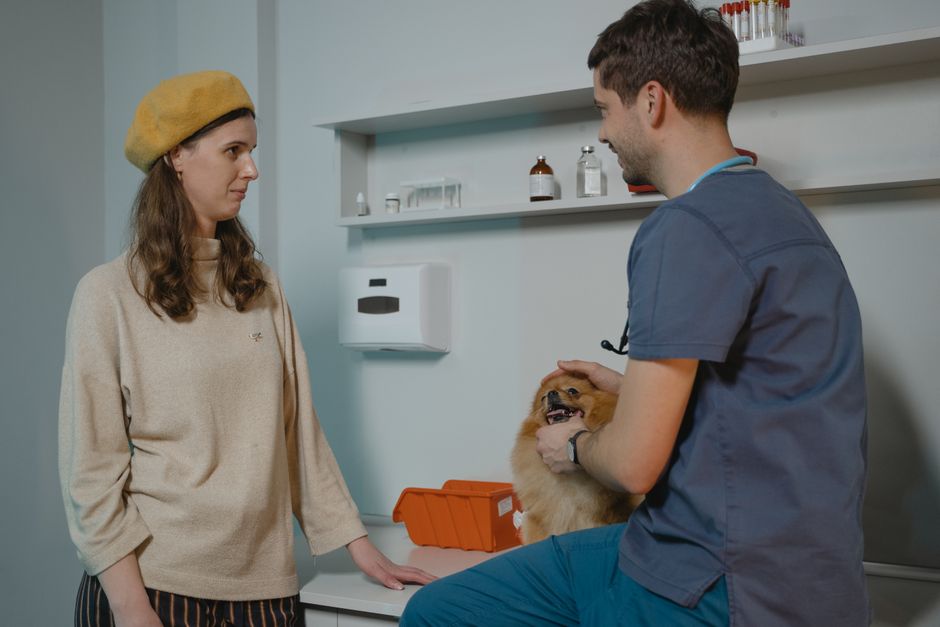
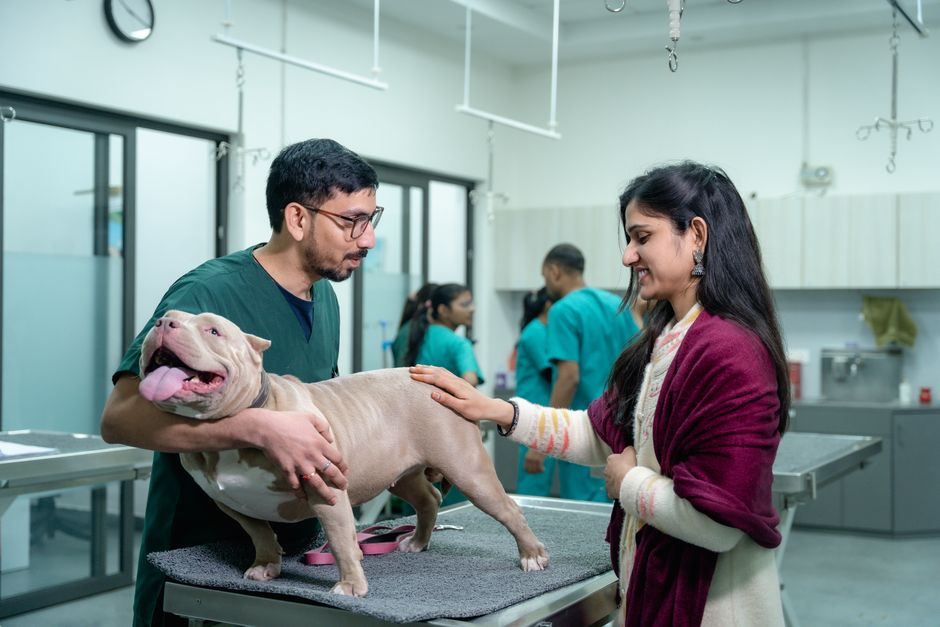
If you suspect your cat is suffering from heat stress or heatstroke, immediate veterinary attention is crucial. At Express Vets, our veterinary team is trained to assess and stabilize cats experiencing heat-related emergencies. Treatment approaches involve a thorough physical examination, monitoring of vital signs, and gradual cooling techniques. This may include placing your cat on a cool surface, using damp towels, and providing oxygen therapy if needed.
Intravenous fluids are often administered to combat dehydration and support organ function. Blood tests may be performed to assess the impact of heat on your cat’s internal organs. In some cases, additional supportive care is necessary, such as medications to address shock or manage complications. Timely intervention can mean the difference between a full recovery and long-term health issues.
If your cat has experienced any symptoms of heat stress, we encourage you to schedule a wellness examination as soon as possible. Early evaluation allows our veterinary professionals to detect lingering effects and recommend preventive strategies tailored to your cat’s needs.
Home Care and Prevention: Keeping Your Cat Cool All Summer
Prevention is the best approach when it comes to heat-related illness in cats. Simple steps at home can help your feline stay comfortable, even during the hottest days in Northern Georgia. First, always provide multiple sources of fresh, cool water in locations your cat can easily access. Consider adding ice cubes to water bowls or using a pet water fountain to encourage hydration.
Ensure your home offers plenty of shaded, cool spots for your cat to retreat to—this might include rooms with tile floors, shaded corners, or areas away from direct sunlight. Closing blinds or curtains during peak sun hours can significantly reduce indoor temperatures. For cats allowed outdoors, limit outside time to early mornings or late evenings, and always offer a shaded, well-ventilated shelter. Never leave your cat in a parked car, even for a few minutes, as temperatures can rise to dangerous levels quickly.
Grooming plays a key role in temperature regulation. Brushing your cat regularly helps remove excess fur, especially for long-haired breeds. If your cat has a thick coat, speak with our veterinarians about safe grooming options to minimize overheating risks. For cats with light-colored or thin coats, sunburn is a concern; keeping them indoors during peak sun hours is often the safest choice.
If your cat has a medical condition that impacts their ability to cope with heat, such as heart disease or respiratory issues, our team can provide recommendations for specialized care and management. Nutrition also affects heat tolerance; ask about our specialty diets designed to keep your cat healthy in all seasons.
When to Seek Veterinary Care for Heat Stress
Knowing when to contact your veterinarian is essential for your cat’s safety. If your cat displays symptoms such as persistent panting, drooling, vomiting, diarrhea, or collapse, seek immediate veterinary care. Do not attempt to cool your cat with ice-cold water or ice packs, as this can cause shock. Instead, gently move your cat to a cooler area, offer water if your cat is alert, and contact Express Vets right away.
Even mild symptoms like lethargy, loss of appetite, or changes in behavior during a heatwave warrant a prompt evaluation. Our veterinary team can determine whether your cat needs urgent care or supportive management at home. For ongoing monitoring and preventive health, schedule a wellness examination to discuss your cat’s risk factors and develop a summer care plan tailored to your household.
If you are ever uncertain, it is better to err on the side of caution and call our veterinarians for advice. Heat-related illness can progress rapidly in cats, so prompt action is always recommended.
Supporting Your Cat’s Health in Northern Georgia’s Summer
Georgia’s July heat brings unique challenges, but with attentive care and expert veterinary support, your cat can enjoy a safe, comfortable summer. At Express Vets, we are dedicated to helping pet owners in Northern Georgia and surrounding communities protect their cats from seasonal hazards. Our primary care services, preventive exams, and compassionate approach ensure your cat’s well-being in every season.
If you are searching for a "vet near me" to help keep your cat cool this summer, look no further than our experienced veterinary professionals. Schedule an appointment for a wellness examination or summer health consultation by calling (678) 397-7377 or visiting us in Northern Georgia. Together, we can keep your cat hydrated, healthy, and happy—no matter how high the temperature climbs.
This blog is for informational purposes only and does not replace professional veterinary care. If you suspect your cat is experiencing heat stress or any health emergency, contact your veterinarian immediately.