Late Summer Skin Problems in Northern Georgia Pets
Late Summer Skin Problems in Northern Georgia Pets
As August’s heat and humidity settle over Northern Georgia, many pet owners notice their dogs and cats scratching more than usual. If your pet is licking, chewing, or biting at their skin, you are not alone. Late summer brings a surge of skin problems for pets in our region, leaving owners frustrated and pets uncomfortable. At Express Vets, located in Northern Georgia, we understand how distressing it is to watch your pet itch and suffer. In this blog, we will explore why skin issues become so common during the late summer months, how to recognize the signs of trouble, what causes these flare-ups, and most importantly, how our veterinary team can help your pet find relief. You will also learn practical steps you can take at home to keep your pet’s skin healthy as the season changes. If you are searching for skin care solutions for your pet or wondering when to schedule a wellness examination, Express Vets is here to support you and your pet every step of the way.
Recognizing Late Summer Skin Problems in Dogs and Cats
Skin problems in pets can develop gradually or appear almost overnight. Late summer in Northern Georgia, with its high humidity and lingering heat, creates the perfect environment for certain skin conditions to thrive. You might notice your dog or cat scratching persistently, developing red patches, losing hair in certain areas, or even creating sores from excessive licking. Other warning signs include a musty odor, scabs, greasy fur, or ear infections that seem to coincide with skin irritation.
Owners often report that their pets seem restless, sleep poorly, or avoid being touched. It is common to see dogs rubbing their bodies against furniture or carpets, or cats grooming obsessively. Sometimes, these symptoms are mistaken for behavioral issues, but they are often rooted in discomfort from underlying skin conditions. If your pet’s itching is keeping you up at night or you are seeing changes in their skin or coat, it is time to take a closer look.
Why Late Summer Triggers Skin Issues in Northern Georgia
Northern Georgia’s late summer climate brings high temperatures and sticky humidity, which can set the stage for a range of skin problems in pets. One of the biggest culprits is the surge in environmental allergens—grasses, weeds, molds, and pollens are at their peak during this time. Many pets develop seasonal allergies, also known as atopic dermatitis, which cause relentless itching and skin inflammation.
Fleas and other external parasites also thrive in warm, humid weather. Even pets that spend most of their time indoors can be exposed to fleas during walks or from other animals. Flea allergy dermatitis is a common condition where even a single flea bite can trigger an intense allergic reaction in sensitive pets.
Yeast and bacterial infections are more likely to develop when the skin is inflamed or damaged from excessive scratching. Moisture trapped in skin folds, under the collar, or between the toes creates a breeding ground for these organisms. Dogs with floppy ears or dense undercoats, and cats with long hair, are especially prone to these secondary infections.
Underlying health conditions such as thyroid disorders, hormonal imbalances, or nutritional deficiencies can also weaken the skin’s defenses, making pets more vulnerable to late summer flare-ups. The combination of environmental triggers and individual sensitivities means that no two pets will experience skin problems in exactly the same way.
Treatment and Management: How Express Vets Can Help
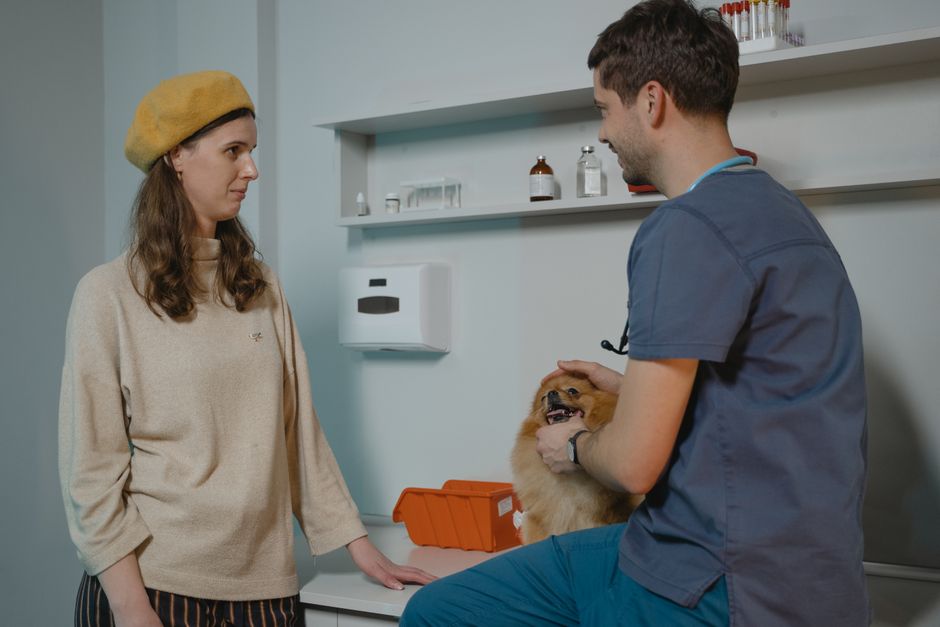
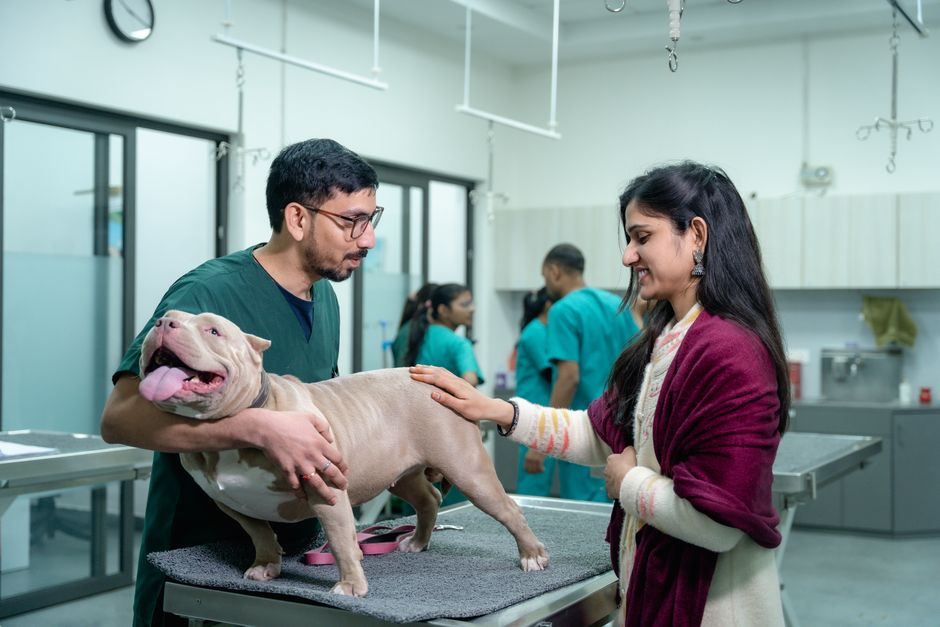
When a pet is suffering from skin problems, effective treatment begins with an accurate diagnosis. At Express Vets, our experienced veterinary team uses a thorough approach to get to the root of your pet’s discomfort. This starts with a detailed physical examination, review of your pet’s health history, and discussion of recent environmental changes.
We may recommend diagnostic tests such as skin scrapings, cytology, or allergy screening to pinpoint the cause of your pet’s symptoms. For pets showing signs of environmental allergies, our allergy testing services can help identify specific triggers so that treatment can be targeted and effective.
Treatment approaches involve a combination of therapies tailored to your pet’s needs. For flea-related problems, we prescribe safe and effective parasite control to eliminate fleas and prevent future infestations. If secondary infections are present, topical or oral medications are used to clear up bacteria or yeast. For pets with allergies, management may include medicated shampoos, anti-itch medications, and sometimes dietary adjustments or specialty diets.
In more complex cases, our team may refer to our dermatology services for advanced care, ensuring your pet receives the most up-to-date treatments available. Throughout your pet’s care, we prioritize comfort, safety, and long-term relief.
Preventing Skin Problems at Home
While some causes of skin problems are unavoidable, there are practical steps you can take at home to reduce your pet’s risk and support healthy skin. Bathing your pet with a gentle, veterinarian-recommended shampoo can help remove allergens and soothe irritated skin. Be mindful not to over-bathe, as stripping natural oils can worsen dryness and irritation.
Regular grooming is essential, especially for pets with thick or long coats. Brushing helps remove loose hair, debris, and potential irritants. For pets prone to ear infections or with floppy ears, gently cleaning the ears and keeping them dry can make a significant difference.
Keeping your home environment clean by vacuuming frequently and washing your pet’s bedding can help reduce allergen exposure. Using year-round parasite prevention and control is crucial, even if your pet is mostly indoors. Ask our veterinary team which products are best suited for your pet’s lifestyle and risk factors.
If your pet has known food sensitivities or allergies, sticking to a consistent, high-quality diet as recommended by your veterinarian can help prevent flare-ups. Always introduce new foods gradually and monitor for changes in skin or digestion.
When to Seek Veterinary Care for Your Pet’s Skin
Some mild itching is normal, but there are clear signs that mean your pet needs professional help. If your dog or cat is persistently scratching, biting, or licking to the point of causing hair loss, redness, scabs, or sores, it is time to schedule a veterinary appointment. Additional warning signs include swelling, foul odor, bleeding, thickened skin, or signs of pain when touched.
Pets that develop skin problems along with other symptoms—such as lethargy, loss of appetite, vomiting, or weight loss—should be evaluated promptly to rule out more serious underlying issues. Any sudden change in your pet’s skin or coat, or a skin problem that does not improve with basic home care, warrants a visit to the veterinarian.
At Express Vets, our team is committed to helping your pet get relief quickly and comfortably. We understand how frustrating it can be to watch your companion struggle, and we are here to provide answers, treatment, and ongoing support.
Keeping Your Pet Comfortable All Season Long
Late summer skin problems are a common challenge for pets and their owners in Northern Georgia, but with the right knowledge and a proactive approach, you can help your dog or cat stay comfortable throughout the season. By recognizing early signs, understanding the causes, and partnering with a trusted veterinary team, you give your pet the best chance at healthy skin and a happy life.
If you are searching for a "vet near me" who understands local skin issues and offers comprehensive care, look no further than Express Vets. Our veterinary professionals are here to answer your questions, provide thorough evaluations, and create a personalized treatment plan for your pet. Whether you need advice on prevention, help with ongoing skin problems, or a comprehensive pet exam, we are dedicated to supporting you and your pet every step of the way.
To schedule an appointment or learn more about our dermatology, allergy, and preventive care services, contact Express Vets in Northern Georgia at (678) 397-7377 or visit us online. Your pet’s comfort and health are our top priorities, and we look forward to partnering with you for a happier, itch-free season.
This blog is intended for informational purposes only and does not replace professional veterinary advice. If you have concerns about your pet’s health, always consult your veterinarian for personalized recommendations.