Preparing Your Dog or Cat for Cold Weather in Georgia
Preparing Your Dog or Cat for Cold Weather in Georgia
As November arrives in Northern Georgia, pet owners often become concerned about how dropping temperatures might affect their dogs and cats. While our region does not face the extreme winter chills seen in some parts of the country, chilly nights, cold snaps, and unpredictable weather can still pose risks to your pet’s health and comfort. At Express Vets, our mission is to help you keep your furry family members safe and thriving year-round. In this guide, you’ll discover practical tips for preparing your dog or cat for colder months, signs to watch for during winter, and how our team can support your pet’s well-being throughout the season. Whether you need advice on home care, guidance on vaccinations, or a comprehensive wellness examination before the holidays, our experienced veterinary team is here for you in Northern Georgia and surrounding communities.
Recognizing When Cold Weather Affects Your Dog or Cat
Pet owners might wonder how to tell if their dog or cat is uncomfortable or at risk during colder months. Most pets, especially those accustomed to spending time indoors, will show signs when the temperature drops below their comfort level. Key symptoms include shivering, reluctance to go outside, seeking warm spots in the house, or curling up tightly to conserve heat. Cats may hide more often, and dogs might whine or paw at doors to come inside sooner than usual. Changes in behavior such as reduced activity, stiffness when getting up after resting, or even increased vocalization can point to discomfort related to cold weather.
Additionally, certain pets are more sensitive to the cold. Small breed dogs, elderly pets, and those with short coats or medical conditions such as arthritis may struggle more as temperatures fall. Watch for signs like limping, difficulty moving, or changes in appetite. Pets with chronic health issues can experience worsening symptoms in cold weather, so monitoring them closely is crucial.
Why Cold Weather Can Be a Concern in Northern Georgia
Although Northern Georgia is known for its mild winters, the region still experiences cold snaps, wet conditions, and occasional ice or frost. These changes can catch pet owners off guard, especially if pets are used to spending time outdoors during much of the year. The combination of dampness and cold can contribute to joint stiffness, exacerbate arthritis, and even increase the risk of respiratory infections in sensitive pets.
Many pet owners assume their dog or cat is well-equipped to handle cooler temperatures because of their fur, but this is not always the case. Breed, age, body condition, and coat type all play a role in how well a pet tolerates the cold. For example, thin-coated breeds like Greyhounds or Chihuahuas are much more vulnerable than Huskies or Maine Coons. Even healthy pets can become chilled if they are wet, exposed to drafts, or left outside for too long.
In addition to the temperature itself, winter in Georgia often brings increased rain and wind, which can further lower your pet’s tolerance for cold. Dogs and cats can lose body heat quickly when their coats are damp, and older pets may have a harder time regulating their body temperature.
How Veterinary Care Supports Your Pet During Winter
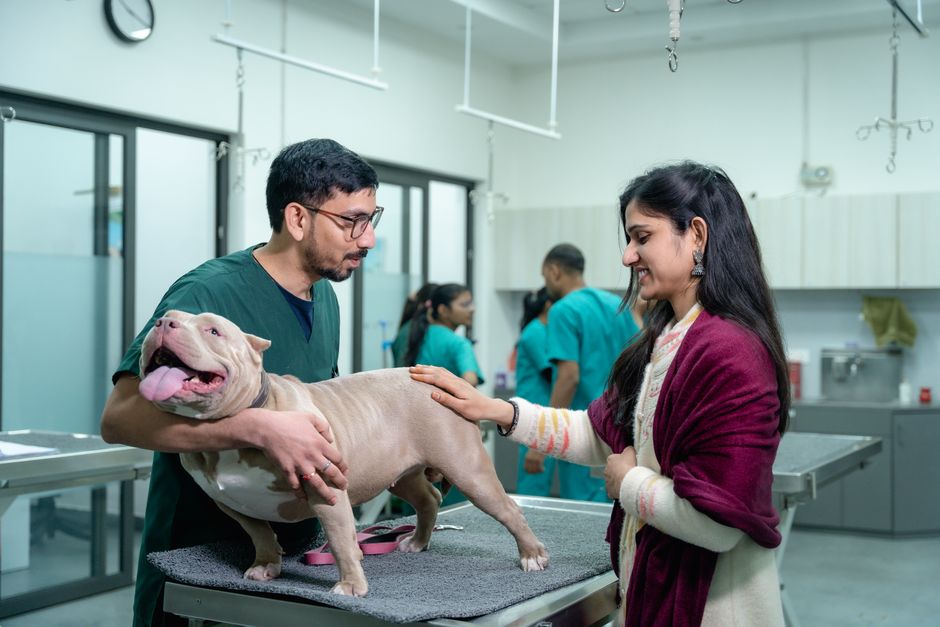
Scheduling a wellness examination before the coldest part of the year is a proactive way to ensure your dog or cat is ready for winter. At Express Vets, our team of veterinarians can assess your pet’s overall health, identify conditions that might worsen in colder weather such as arthritis or heart disease, and recommend appropriate adjustments to their care. During a comprehensive pet exam, we review your pet’s medical history, check for early signs of discomfort, and discuss lifestyle factors that could impact their winter health.
Vaccination is another key aspect of seasonal care. Cooler, damp weather can increase the risk of certain respiratory illnesses, especially in dogs that frequent parks or boarding facilities. Our pet vaccination services help protect your pet from contagious diseases that may circulate more frequently during winter months.
If your pet has ongoing health concerns like skin allergies or chronic joint pain, our practice offers targeted support such as allergy testing, dermatology care, and management plans for mobility challenges. For pets who develop symptoms of illness or injury as the weather shifts, our primary veterinary care ensures prompt attention and tailored treatment, helping your pet recover comfortably at home.
Practical Steps to Prepare Your Dog or Cat for Cold Weather
Keeping your dog or cat safe and comfortable through Georgia’s winter months starts with a few simple preparations at home. First, ensure your pet always has access to warm, dry shelter. For indoor pets, minimize drafts and provide cozy bedding in a spot away from cold windows or doors. Outdoor time should be limited during particularly chilly or wet periods; if your pet must go outside, supervise them closely and bring them in as soon as possible.
Clothing such as sweaters or jackets can help small, senior, or short-haired dogs retain body heat. Always choose items that fit well and allow full range of motion. For cats, focus on offering extra bedding or heated mats designed for pets rather than clothing, as most cats dislike wearing garments.
Hydration remains just as important in winter as in summer. Cold air can be drying, and indoor heating may cause your pet to become dehydrated. Fresh, unfrozen water should be available at all times, and food intake may need adjustment if your pet becomes less active during the season.
Monitor your pet’s paws for signs of dryness, cracking, or irritation caused by cold, damp ground. Wipe their feet after walks to remove moisture and debris, and check regularly for any injuries or foreign objects. If your pet has a history of arthritis, gentle exercise and joint supplements, when recommended by your veterinarian, can help maintain mobility during colder months.
When to Seek Veterinary Care During Winter
It is important to recognize when home care is not enough and professional attention is needed. Contact your veterinarian if your dog or cat shows persistent shivering, lethargy, difficulty breathing, or any sudden changes in behavior. Frostbite and hypothermia are rare in Georgia but can occur if a pet is exposed to extreme cold for extended periods. Signs of these conditions include pale or bluish skin, swelling, and pain when touched.
Pets with chronic conditions such as arthritis, heart disease, or diabetes may require medication adjustments or more frequent checkups as winter progresses. If your pet is limping, having trouble moving, or seems to be in pain, scheduling a sick visit can help identify and address problems early. At Express Vets, we offer sick pet visits to provide immediate care for any health concerns that arise during the winter months.
Always err on the side of caution if you are unsure about your pet’s symptoms. Our veterinary professionals are here to offer guidance and support, ensuring your pet receives the attention they need before minor issues become major problems.
Keeping Your Pets Healthy and Comfortable All Winter
Preparing your dog or cat for cold weather in Georgia involves a combination of attentive home care and proactive veterinary support. By recognizing signs of discomfort, providing warm shelter, adjusting routines as needed, and staying up-to-date with preventive care, you can help your pet stay comfortable and safe even as the temperature drops. Remember that every pet is unique, and some may need extra help navigating seasonal changes.
If you have questions about your pet’s winter health or would like to schedule a wellness examination, vaccination, or sick visit, our team of veterinarians at Express Vets is dedicated to supporting your family. When searching for a compassionate and knowledgeable vet near me, choosing a practice that prioritizes preventive care and personalized attention is essential.
To book your pet’s next appointment, call our veterinary team at (678) 397-7377 or visit us in Northern Georgia. We are here to help you and your pets enjoy a safe, healthy, and happy winter season. For more information on winter pet care and our full range of services, explore our website or contact us today.
This blog is intended for informational purposes only and does not replace professional veterinary advice. Always consult your veterinarian for guidance tailored to your pet’s individual needs.