Preventing Summer Heatstroke in Northern Georgia Dogs
Preventing Summer Heatstroke in Northern Georgia Dogs
Summer in Northern Georgia brings long, sunny days and plenty of opportunities for outdoor adventures with your dog. However, July’s soaring temperatures also mean a higher risk of heatstroke, a life-threatening condition that can develop quickly in dogs exposed to extreme heat or humidity. At Express Vets, we are dedicated to helping pet owners in Northern Georgia and surrounding communities keep their companions healthy and comfortable year-round. In this blog, you’ll learn how to recognize the signs of heatstroke, understand what makes dogs so vulnerable to overheating, and discover practical steps you can take to protect your pet during the hottest months. We’ll also share guidance on when to seek veterinary care and how our team of veterinarians can support your dog’s well-being with preventive care and urgent attention if needed.
Whether you’re planning a hike, a trip to the lake, or just a stroll around the neighborhood, understanding heatstroke and its dangers is essential for any responsible pet owner. Our experienced veterinary professionals are here to help you navigate the summer safely and enjoy every moment with your dog.
Recognizing Heatstroke in Dogs: Key Signs Every Owner Should Know
Heatstroke in dogs is a medical emergency that requires immediate attention. Unlike people, dogs cannot sweat effectively to cool themselves. Instead, they rely on panting and limited sweat glands in their paw pads to dissipate heat. This makes them especially susceptible to overheating, particularly during Georgia’s humid summers.
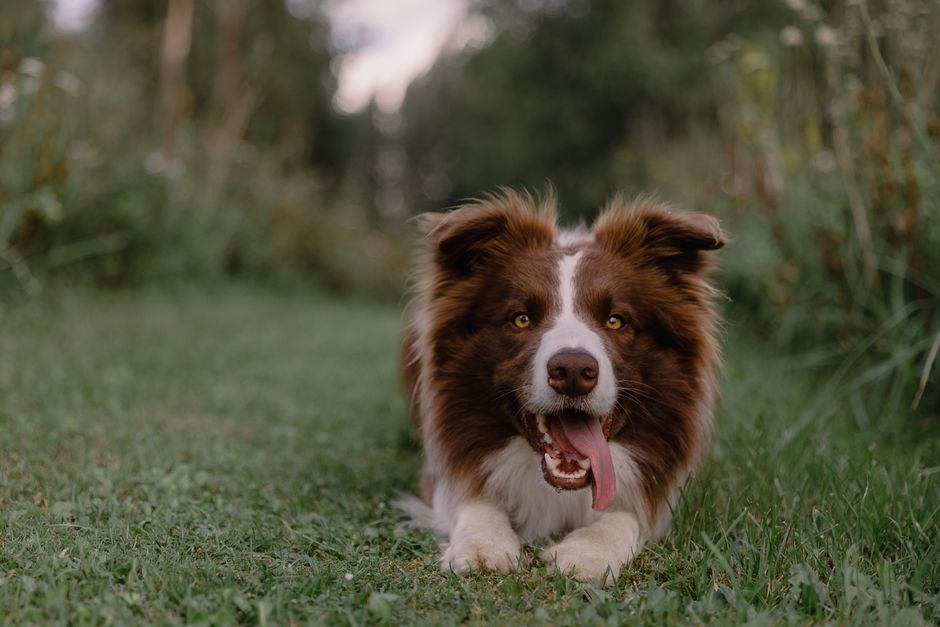
The early signs of heatstroke can be subtle at first but quickly progress to more serious symptoms. Watch for excessive, rapid, or labored panting, as this is often the first indication your dog is struggling to cool down. Other early warning signs include drooling more than usual, restlessness, and seeking shade or cool surfaces. As heatstroke progresses, symptoms may include bright red gums, weakness, staggering, vomiting, diarrhea, or even collapse. In severe cases, dogs may experience seizures or lose consciousness.
If your dog has been exercising or spending time outdoors on a hot day and shows any combination of these symptoms, it’s important to act quickly. Delaying care can lead to organ damage, brain injury, or death. Even dogs who appear to recover at home should be evaluated by a veterinarian to rule out internal complications.
Why Dogs Are At Risk: Understanding the Causes of Heatstroke
Several factors make dogs particularly vulnerable to heatstroke during the summer. The combination of high temperatures and Georgia’s humidity reduces the effectiveness of panting, which is a dog’s primary means of cooling off. Dogs left in parked cars, even for a few minutes, are at extreme risk, as temperatures inside a vehicle can rise rapidly regardless of whether the windows are cracked. Outdoor exercise in the middle of the day, lack of access to fresh water, and insufficient shade are other common causes.
Certain breeds are at higher risk, especially brachycephalic (short-nosed) dogs like Bulldogs, Pugs, and Boxers. Their compressed airways make it difficult to pant efficiently, so they overheat more easily compared to other breeds. Overweight dogs, seniors, puppies, and dogs with pre-existing heart or respiratory conditions also have a higher likelihood of experiencing heat-related illness.
The type of activity your dog enjoys can influence risk as well. Vigorous play, long walks, or running on pavement during peak heat hours all contribute to increased body temperature. Remember that dogs are eager to please and may not realize they need to stop until it’s too late.
How the Express Vets Team Treats Heatstroke in Dogs
If you suspect your dog is suffering from heatstroke, immediate action is critical. Begin by moving your pet to a shaded or air-conditioned area and offer small amounts of cool water if your dog is conscious and able to drink. Never use ice-cold water or ice packs, as rapid temperature changes can worsen the condition. Wetting your dog’s body with lukewarm water and using a fan can also help lower body temperature on the way to the veterinary hospital.
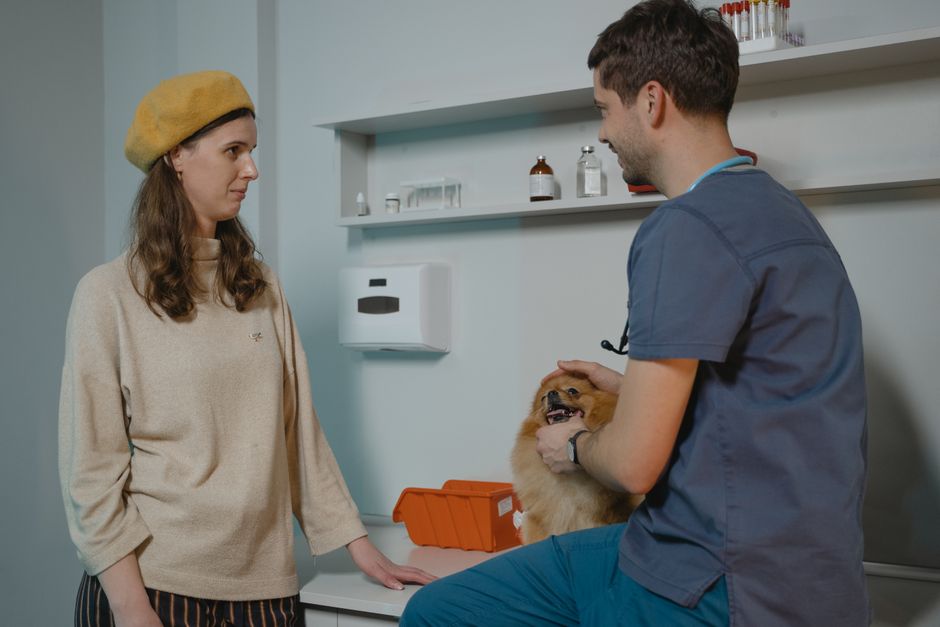
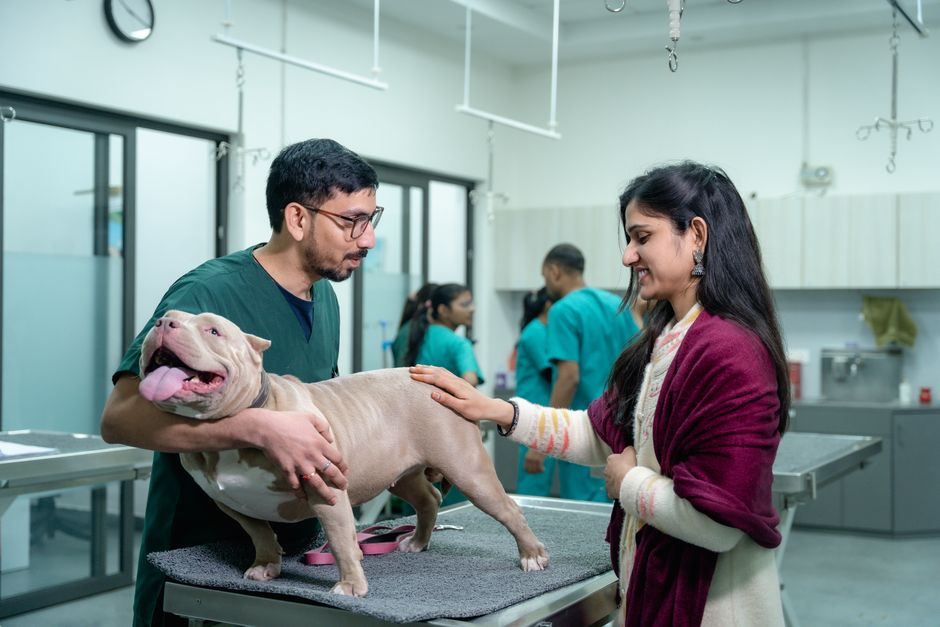
At Express Vets, our veterinary team is trained to provide swift, effective treatment for heatstroke. Upon arrival, your dog will receive a thorough evaluation and immediate stabilization. Treatment may involve intravenous fluids to combat dehydration and support organ function, careful monitoring of vital signs, and the use of cooling techniques tailored to your pet’s needs. Additional therapies, such as oxygen, medications to control vomiting or seizures, and bloodwork to assess internal organ status, may be necessary depending on the severity of the case.
Even if your dog appears to have recovered after initial cooling efforts at home, it is essential to schedule a sick visit with our veterinary professionals. Internal damage from heatstroke may not be immediately visible and can lead to serious complications if left untreated. Our team will guide you through the recovery process and recommend follow-up care to ensure your dog’s long-term health.
To learn more about how we approach urgent concerns, visit our expert sick pet visit services page.
Preventing Heatstroke: Practical Steps for a Safe Summer
Preventing heatstroke starts with awareness and proactive care. During hot weather, walk your dog early in the morning or late in the evening when temperatures are cooler. Always provide access to fresh, clean water both at home and during outings. Make sure your dog has a shaded or air-conditioned area to rest, and avoid strenuous activity during the hottest parts of the day.
When traveling by car, never leave your dog unattended, even if you think you’ll only be a minute. The temperature inside a parked vehicle can rise to dangerous levels in moments, putting your dog’s life at risk. At home, watch for signs that your dog is becoming overheated, such as panting, drooling, or seeking cool surfaces. Adjust your pet’s exercise routine as needed, and consider using cooling mats, fans, or damp towels to help maintain a comfortable environment.
For dogs with special health considerations—such as flat-faced breeds, older pets, or those with chronic conditions—it’s wise to consult with your veterinarian about additional precautions. A wellness examination can help identify underlying risk factors and ensure your dog is ready for summer activities.
Keeping up with regular preventive care also protects your pet from other summer hazards. Parasites like ticks, fleas, and heartworms thrive in warm weather, so maintaining an effective parasite prevention and control plan is essential for your dog’s overall health and comfort.
When to Contact a Veterinarian: Acting Fast Saves Lives
Knowing when to seek professional help can make all the difference during a heat-related emergency. If your dog shows any signs of heatstroke—such as unrelenting panting, drooling, weakness, vomiting, or collapse—move them to a cooler environment and call our team immediately. Even if symptoms appear mild or your dog seems to recover after cooling down, an examination is crucial to assess for delayed complications.
Some situations require urgent veterinary care without delay. If your dog becomes unresponsive, has trouble breathing, experiences seizures, or cannot walk, bring them to Express Vets as quickly as possible. Our veterinary professionals are experienced in handling urgent cases and will prioritize your pet’s safety and comfort.
If you’re ever uncertain about your dog’s condition, it’s always better to err on the side of caution. The friendly, knowledgeable team at Express Vets is here to answer your questions and provide guidance tailored to your pet’s unique needs.
Keeping Your Dog Safe All Summer: Trust Express Vets in Northern Georgia
Summer should be a season of fun and adventure for you and your dog, not a time of worry. By staying alert to the warning signs of heatstroke, understanding your dog’s unique risk factors, and taking proactive steps to prevent overheating, you can make the most of the warm weather together.
Regular checkups, preventive care, and timely intervention when problems arise are the cornerstones of keeping your pet healthy all year long. If you have concerns about your dog’s risk for heatstroke or need advice on summer safety, we encourage you to schedule an appointment with Express Vets. Our veterinary team is proud to serve Northern Georgia and surrounding communities, providing comprehensive care and peace of mind for pet owners.
When searching for a veterinarian near me, choosing a clinic with experienced, compassionate professionals makes all the difference. Contact Express Vets at (678) 397-7377 or visit us online to book your next preventive care exam or sick visit. Together, we can help your dog beat the heat and enjoy every sunny day safely.
For more information on our full range of services, including wellness examinations, sick pet visits, and parasite prevention and control, explore our website or stop by our Northern Georgia location. Your dog’s health and happiness are our top priority this summer and beyond.
If your dog is experiencing severe symptoms or you suspect heatstroke, seek immediate veterinary attention. This blog is for informational purposes only and does not replace professional medical advice.