Protecting Pets From Winter Hazards in Northern Georgia

Protecting Pets From Winter Hazards in Northern Georgia
As February settles into Northern Georgia, pet owners are faced with a new set of challenges to keep their furry companions safe and healthy. While the region is known for its milder winters compared to other parts of the country, temperatures can still dip suddenly, bringing risks that many families may not expect. From chilly mornings that threaten hypothermia to hidden dangers like antifreeze and the unwelcome persistence of seasonal parasites, winter in our area requires special attention for your pets’ well-being. At Express Vets, our veterinary team understands the unique climate and hazards of Northern Georgia. We are here to help you navigate the season with confidence, ensuring your dogs and cats are protected from the most common winter threats. In this blog, we’ll guide you through recognizing the signs of winter-related health issues, understanding why these hazards occur, exploring both professional treatment and home prevention, and knowing when it’s time to schedule an appointment with your veterinarian. As your local partner in preventive care, our goal is to keep your pets safe, healthy, and thriving throughout the colder months. If you have questions about your pet’s winter wellness, Express Vets is always here to help with services like wellness examinations and seasonal advice tailored to our region.
Recognizing Winter Hazards: Signs Your Pet May Be at Risk
Many pet owners expect that their animals’ thick coats are enough to shield them from the cold, yet even in Northern Georgia’s relatively temperate winter, pets can be vulnerable to several seasonal hazards. The most common winter-related problems include hypothermia, frostbite, accidental poisoning from antifreeze, and continued exposure to parasites. Warning signs to watch for are shivering, lethargy, pale or bluish gums, and reluctance to go outside, which may indicate that your pet is feeling the effects of the cold. Additionally, if your dog or cat starts to limp after being outdoors, seems to chew at their paws, or develops red, swollen skin, these could be signs of frostbite or contact irritation from ice-melting chemicals. In the case of accidental toxin exposure, such as antifreeze ingestion, symptoms include drooling, vomiting, unsteady movement, and even seizures. Finally, while many assume parasites are only a concern in warmer months, winter does not eliminate the risk; coughing, scratching, or visible worms in stool are all reasons to be concerned. Recognizing these symptoms early gives you the best chance to address them before they become serious.
Why Winter Hazards Occur in Northern Georgia
It might be tempting to think that the moderate winters in this region mean there’s little to worry about, but the reality is that fluctuating temperatures and unpredictable weather patterns can catch pets off guard. Hypothermia and frostbite occur when pets are exposed to cold, damp conditions for extended periods, especially during sudden cold snaps. Smaller breeds, senior pets, and those with short or thin coats are particularly at risk, though no pet is immune. Another common winter hazard is antifreeze poisoning; the sweet taste of ethylene glycol, found in many car products, attracts curious animals but is highly toxic even in small amounts. Spills in driveways or garages are often overlooked, creating hidden dangers for pets who roam these areas. Additionally, local parasite populations, such as fleas, ticks, and heartworm-carrying mosquitoes, may remain active during warmer winter days or in sheltered microclimates around homes. This means that the risk of parasite transmission does not disappear with the first frost, underscoring the importance of year-round parasite prevention and control.
Professional Treatment and Management at Express Vets
When a winter hazard does affect your pet, timely intervention is crucial. If you notice symptoms like persistent shivering, confusion, weakness, or any sign of poisoning, a visit to your veterinarian should not be delayed. At Express Vets, our experienced veterinary professionals are equipped to manage a range of cold-weather-related conditions. Treatment for hypothermia involves gradually warming your pet in a controlled environment, monitoring vital signs, and providing intravenous fluids if needed. For frostbite, our team will assess the extent of tissue damage, clean affected areas, and may prescribe pain management or antibiotics to prevent infection. In cases of antifreeze poisoning, immediate action is essential. Our veterinarians use specialized diagnostics and antidotes to neutralize toxins and support organ function. For ongoing issues such as persistent parasites, we offer comprehensive diagnostic testing and tailored medication plans to ensure your pet remains protected all year. Whether your companion needs a sick pet visit or regular primary care, our veterinary team is here to support your pet’s health through every season.
What to Expect During a Winter Wellness Visit
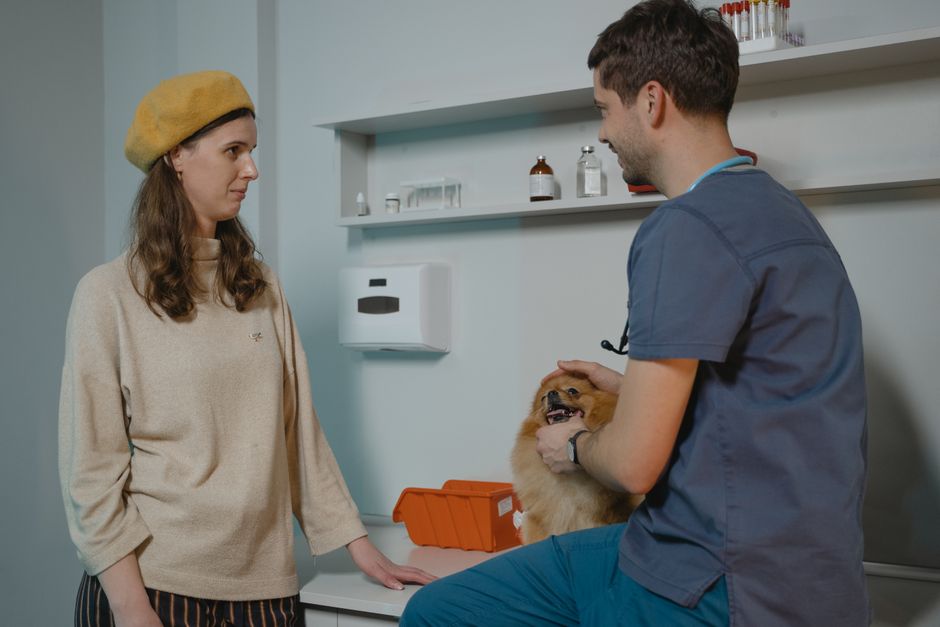
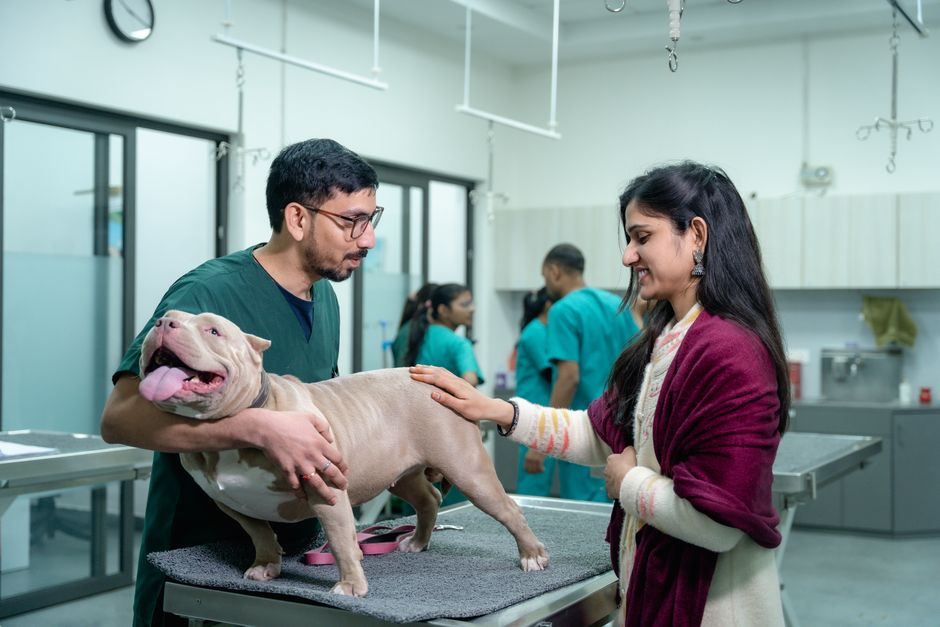
When you bring your pet in for a winter wellness examination, our veterinarians conduct a thorough physical assessment, checking for signs of cold-induced stress, skin irritation, and any underlying medical conditions that may be worsened by winter weather. We will review your parasite prevention plan, discuss nutrition adjustments for the colder months, and offer guidance customized to your pet’s age, breed, and lifestyle. This proactive approach helps catch subtle health changes before they escalate, giving your pet the best chance at a comfortable and safe winter.
Preventing Winter Hazards: Practical Steps You Can Take at Home
Protecting your pets from winter dangers starts with a few practical, everyday habits. First, limit your pet’s time outdoors during the coldest parts of the day, especially early mornings and late evenings. Always provide warm, dry shelter and fresh water that hasn’t frozen over. If you use space heaters or fireplaces, ensure they are secured and inaccessible to curious noses and tails. Dry your pet’s paws and belly after walks to remove moisture, road salt, and any chemicals that could cause irritation or be ingested during grooming. Consider using pet-safe ice melts on your property to minimize the risk of paw burns or poisoning. For dogs and cats with thin coats or underlying health issues, protective clothing such as sweaters or booties can offer extra insulation. When it comes to antifreeze and other potential toxins, store all chemicals securely and clean up spills immediately; even a small amount can be fatal if ingested.
Parasite prevention remains a year-round priority, as fleas, ticks, and mosquitoes can thrive in protected environments despite the cold. Continuing your pet’s regular parasite prevention and control medication schedule is essential. Regularly check your pet’s coat and skin for signs of pests, and consult your veterinarian if you notice any changes in their behavior or appearance. A healthy, well-nourished pet is also better equipped to handle temperature fluctuations, so ask about dietary adjustments during your next wellness examination.
When to Seek Veterinary Care for Winter-Related Issues
Knowing when to seek professional help can make all the difference in your pet’s recovery from winter hazards. If your pet displays persistent shivering, lethargy, confusion, or difficulty breathing after being outside, these are signs that immediate veterinary attention is needed. Contact with antifreeze or other chemicals requires urgent care, even if your pet appears normal at first, as symptoms may be delayed but progress rapidly. If you notice swelling, blisters, or discoloration on your pet’s ears, tail, or paws, frostbite may be developing and should be evaluated by a veterinarian. Persistent coughing, unexplained scratching, or visible parasites in your pet’s fur or stool are also reasons to schedule an appointment; these issues can worsen if left untreated.
Express Vets is committed to making preventive and urgent care accessible for families in Northern Georgia and surrounding communities. Our veterinary team is ready to provide guidance, diagnosis, and treatment to help your pet recover quickly and comfortably. If you are concerned or unsure, it is always safer to reach out to your veterinarian for advice.
Keeping Your Pet Safe: Winter Wellness With Express Vets
Winter in Northern Georgia comes with its own set of pet care challenges, but with the right information and proactive steps, you can ensure your companion stays safe and healthy throughout the season. Recognizing the signs of cold-related stress, understanding how local climate and seasonal toxins can impact your pet, and maintaining a consistent parasite prevention plan are all essential components of responsible pet ownership. At Express Vets, we are dedicated to partnering with you for comprehensive, year-round care. Our veterinary professionals are always available to answer your questions, provide expert treatment, and guide you through preventive strategies tailored to your pet’s unique needs.
If you are searching for a veterinarian near me who understands the specific challenges of winter pet care in Northern Georgia, look no further than our experienced team. To discuss your pet’s health, schedule a wellness examination, or address any winter-related concerns, please call us at (678) 397-7377 or visit our website at expressvets.com. We look forward to helping your pet enjoy a safe, comfortable, and joyful winter season here in Northern Georgia.
This blog is intended for informational purposes only and should not replace professional veterinary care. If you have concerns about your pet’s health, please contact your veterinarian for personalized advice.