Spring Flea and Tick Prevention Tips for Northern Georgia Pets

Spring Flea and Tick Prevention Tips for Northern Georgia Pets
As spring arrives in Northern Georgia, pet owners start to notice their furry companions spending more time outdoors, basking in the warmer weather and exploring the blossoming landscape. While these seasonal adventures bring plenty of joy, they also signal the start of flea and tick season—an annual concern for families with cats and dogs. At Express Vets, we know that fleas and ticks are more than just a nuisance; they can pose serious health risks for pets and their families. In this guide, our team of veterinarians will walk you through essential steps to keep your pets protected as temperatures rise this April. Whether your pet is a seasoned outdoor explorer or prefers the comfort of the backyard, taking early action against parasites is the best way to ensure a happy, healthy spring. We will cover how to spot the signs of fleas and ticks, why prevention matters, which strategies work best for Northern Georgia’s climate, and when to schedule a visit with our veterinary professionals for tailored parasite protection. If you are ready to give your pet the strong start they deserve this season, Express Vets is here to help every step of the way.
Recognizing Flea and Tick Problems in Your Pet
Spotting fleas and ticks early can make a significant difference in both comfort and health for your cat or dog. In Northern Georgia, the mild winter and damp spring conditions create an ideal environment for these pests to thrive. Pet owners often notice their pets scratching more than usual as the first hint that something is amiss. Key symptoms include persistent itching, excessive grooming, hair loss, and red or irritated skin. In some cases, you might see small black specks—commonly called flea dirt—in your pet’s fur or bedding, which can be a clear indication of a flea infestation.
Ticks behave differently but are equally concerning. These parasites attach themselves directly to your pet’s skin, often around the ears, neck, or between toes. After spending time outdoors, especially in wooded or grassy areas, check your pet for small, round bumps that could be ticks. Some pets may show signs of discomfort, such as localized swelling or redness where a tick has latched on. Additionally, both fleas and ticks can transmit diseases, so symptoms like fever, lethargy, joint pain, or pale gums should not be ignored.
If you notice any of these signs in your pet, it is important to act quickly. Early intervention is essential for effective treatment and to prevent parasites from spreading throughout your home.
Why Fleas and Ticks Are a Growing Concern in Northern Georgia
Understanding why fleas and ticks are so prevalent in our region helps explain the urgency of prevention. Northern Georgia’s climate, with its warm springs and humid summers, creates the perfect breeding ground for these parasites. Fleas begin to emerge as soon as temperatures rise above 65°F, which typically happens in early spring. Their life cycle is rapid; a single female flea can lay dozens of eggs daily, making infestations grow quickly if not addressed from the start.
Ticks are equally opportunistic. They thrive in areas with tall grass, leaf litter, or wooded environments—common features throughout Northern Georgia and its surrounding communities. Pets that spend time hiking, playing in parks, or even just lounging in overgrown yards are at risk of picking up ticks. Certain tick species, like the American dog tick and the lone star tick, are especially active in our region and can transmit serious diseases such as Lyme disease, ehrlichiosis, and Rocky Mountain spotted fever.
The risk does not end with your pets. Fleas and ticks can move from animals to humans, bringing health risks into your home. Protecting your pets with effective flea and tick control measures is an important step in safeguarding your entire family.
Professional Prevention and Treatment Options
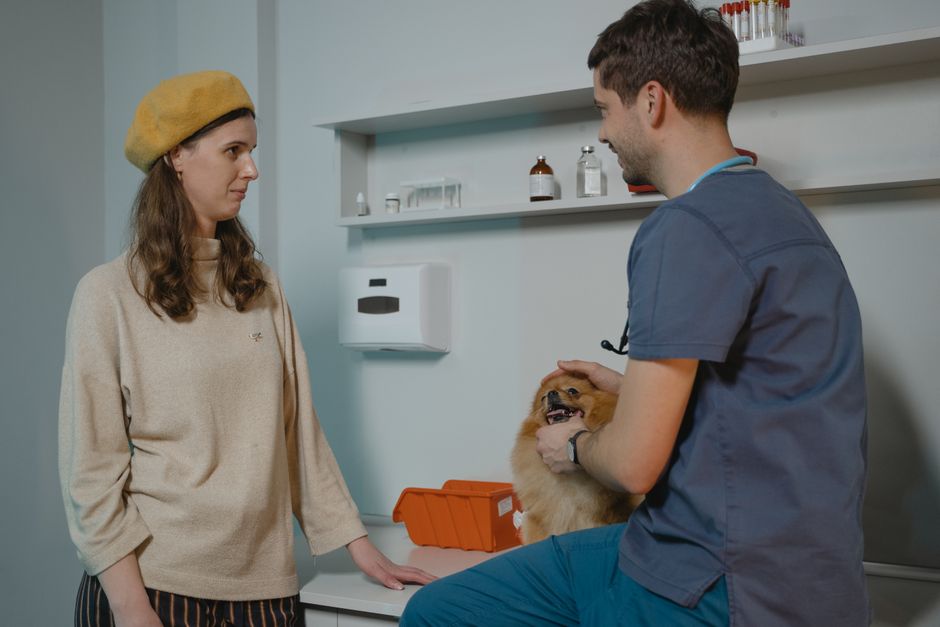
When it comes to flea and tick control, our veterinary team at Express Vets believes in a proactive, comprehensive approach. The most effective protection begins with a wellness examination, where our veterinarians assess your pet’s individual risk factors and lifestyle. During this visit, we discuss a range of preventive options tailored to your pet’s needs.
Prevention strategies often involve prescription topical treatments, oral medications, or long-lasting collars. Each option has its strengths; for instance, monthly chewable tablets offer convenience and consistent protection, while topical applications can be ideal for pets with specific allergies or sensitivities. We always recommend medical-grade products that are proven to be both safe and effective, as over-the-counter remedies may not provide adequate coverage for Northern Georgia’s active parasite population.
For pets already experiencing symptoms, immediate treatment is necessary. This typically involves a combination of fast-acting medications to kill adult fleas and ticks, as well as products that disrupt the parasite life cycle by targeting eggs and larvae. In cases where pets have developed skin infections or allergies due to bites, our dermatology services can provide relief and help restore your pet’s comfort. Follow-up visits may be recommended to ensure all parasites are eliminated and your pet’s health is fully restored.
Our veterinary professionals also educate pet owners on environmental control, which can include recommendations for pet-safe home sprays, frequent washing of bedding, and regular vacuuming to remove eggs and larvae from your living space.
Simple Steps to Prevent Flea and Tick Infestations at Home
Effective flea and tick prevention is a team effort between you and your veterinary care provider. At home, there are several habits that can make a big difference in reducing your pet’s risk. Regular grooming is a simple but powerful tool; brushing your pet’s coat frequently helps you spot fleas, ticks, or skin changes early. Bathing your pet with veterinarian-approved shampoos can also help keep parasites at bay.
Yard maintenance is another key factor. Keeping grass trimmed, removing leaf litter, and clearing brush near play areas reduces the number of places where fleas and ticks can hide. Outdoor pets benefit from designated play spaces away from dense vegetation. Washing pet bedding regularly in hot water and vacuuming carpets and furniture also limits opportunities for fleas to multiply indoors.
If you have multiple pets, make sure each one receives consistent preventive care. Parasites can move easily from one animal to another, so treating all pets in the household is essential for complete protection.
It is important to note that while natural remedies and home treatments are sometimes discussed online, they may not offer reliable protection in regions like Northern Georgia where parasite populations are high. Always consult your veterinarian before trying any new products or methods.
When to Schedule a Veterinary Visit for Flea and Tick Control
Knowing when to seek professional help is crucial for your pet’s health and your peace of mind. If you notice persistent scratching, visible parasites, or signs of illness such as fever, loss of appetite, or lethargy, schedule an appointment with our veterinary team right away. Some pets, especially those with allergies or compromised immune systems, are more vulnerable to the effects of flea and tick bites and may require specialized care.
Routine checkups play a major role in ongoing prevention. Yearly or semi-annual wellness examinations allow our veterinarians to monitor your pet’s health, adjust preventive protocols as needed, and catch any early signs of infestation before they become serious. If your pet has a history of flea or tick problems, or if you live near wooded or rural areas, more frequent visits might be recommended.
In addition, if you have recently moved to the area or adopted a new pet, it is wise to schedule a preventive care visit to discuss the best parasite control strategy for your household.
Remember that early action leads to better outcomes. Waiting until an infestation is severe makes treatment more difficult and increases the risk of complications for your pet and family.
Why Express Vets Is Your Partner in Springtime Parasite Prevention
At Express Vets, we take pride in being a trusted resource for pet families throughout Northern Georgia and surrounding communities. Our approach combines the latest veterinary science with genuine compassion for every animal we meet. We know that every pet is unique; that is why we take time to listen to your concerns, assess your pet’s environment and lifestyle, and recommend personalized solutions for flea and tick prevention.
Our parasite prevention and control services are designed with both safety and effectiveness in mind. We stay informed about local trends in parasite activity, so you can feel confident that your pet’s protection plan is tailored for our region’s specific challenges. From the first spring thaw to the end of the fall season, our veterinary team is here to help your pet enjoy every outdoor adventure without the worry of fleas and ticks.
Take Action: Protect Your Pet from Fleas and Ticks This Spring
Spring in Northern Georgia is a beautiful time to explore the outdoors with your pet, but it is also when fleas and ticks are most active. By partnering with Express Vets for preventive care, you can keep your furry family members safe, comfortable, and happy all season long. Preventing parasites is always easier than treating an infestation, so do not wait until you notice a problem.
If you have questions about flea and tick control, or if you are searching for a "vet near me" who understands the unique needs of pets in Northern Georgia, our veterinary team is here to help. Schedule a wellness examination or discuss your pet’s prevention plan by calling (678) 397-7377 or visiting us at Northern Georgia. For more information about our full range of services, including parasite prevention and control and dermatology, visit our website at expressvets.com.
Let us help you welcome spring with peace of mind, knowing your pet is protected from fleas and ticks. Our veterinarians look forward to partnering with you for a healthy, joyful season ahead.
Medical Disclaimer: This blog is intended for informational purposes only and does not replace professional veterinary care. Always consult a veterinarian for advice tailored to your pet’s unique needs. If you suspect your pet has a flea or tick infestation or is experiencing related symptoms, seek veterinary attention promptly.