Winter Nutrition Tips for Pets in Northern Georgia

Winter Nutrition Tips for Pets in Northern Georgia
As the winter chill settles over Northern Georgia, many pet owners wonder how to best support their pets’ health during the colder months. From changes in activity levels to the unique nutritional needs that arise when temperatures drop, caring for your dog or cat in February can look quite different compared to the warmer seasons. At Express Vets, located right here in Northern Georgia, our team of veterinarians understands how local weather and lifestyle shifts can impact your pet’s wellbeing. In this guide, we will explore how winter affects your pet’s nutritional needs, practical strategies for keeping them healthy, and the specialty diet recommendations our veterinary professionals may suggest for your companion to thrive all season long. Whether you are in Northern Georgia or in one of the surrounding communities, we are here to help you keep your pet comfortable, nourished, and happy throughout the winter. If you have questions about your pet’s specific needs or want to discuss the right diet, our specialty diets services can provide tailored solutions for your furry family member.
Recognizing Winter Nutrition Challenges in Your Pet
When winter arrives, you might notice changes in your pet’s behavior, appetite, or energy. Recognizing when your pet could benefit from a nutrition adjustment is an important part of proactive care. Signs that your pet may need nutritional support during the colder months include reduced activity, a tendency to sleep more, a noticeable increase or decrease in appetite, and changes in coat condition. For example, some dogs become less active due to shorter walks and cold weather, which means their caloric needs may decrease. Conversely, pets that spend time outdoors might require more calories to maintain body heat. Cats may also show subtle signs, such as grooming their fur less frequently or appearing more lethargic. Paying attention to these cues is the first step in ensuring your pet’s diet matches their seasonal needs.
Some pets can be prone to weight gain during the winter, especially if they are less active indoors. Others, particularly outdoor pets or those with thin coats, may need extra nutrition to help them stay warm. Noticing if your pet’s body condition changes, such as feeling more ribs than usual or observing a rounded belly, can help you identify when a dietary adjustment is needed. Your pet’s skin and coat health can also reflect their nutritional status; dull coats, shedding, or flaky skin may point to a need for improved nutrition or supplementation. If you are ever unsure whether your pet’s winter habits are affecting their health, our wellness examination can help detect and address subtle changes before they become bigger concerns.
Why Nutrition Matters More in Winter
Winter brings a set of environmental changes that can directly impact your pet’s metabolism and nutritional requirements. Colder temperatures may lead to increased energy demands for pets who spend time outside, as maintaining body heat requires more calories. For indoor pets, the opposite can be true; reduced exercise and less time outdoors often result in fewer calories burned, raising the risk of unwanted weight gain if their diet remains unchanged. The shorter days and less sunlight can also affect mood and activity, which can influence how much food your pet wants to eat.
In Northern Georgia, winter weather can fluctuate, creating days that are unusually cold interspersed with milder temperatures. This unpredictability may further impact your pet’s daily routine. For example, dogs that are used to regular runs or walks might be limited by icy sidewalks or chilly winds, while cats may retreat to warm, quiet spots and move less than usual. These seasonal patterns make it crucial to assess your pet’s nutritional needs regularly and not just rely on a one-size-fits-all approach.
Another factor is the impact of winter on skin and coat health. Dry indoor air from heating systems can strip moisture from your pet’s skin, leading to itchiness and flakiness. Essential fatty acids and the right balance of nutrients play a vital role in maintaining healthy skin and a shiny coat, especially during the winter. Additionally, certain breeds with thin or short coats may be more susceptible to the cold, requiring not only appropriate shelter but also caloric adjustments to help them stay comfortable.
How Express Vets Approaches Winter Nutrition for Dogs and Cats
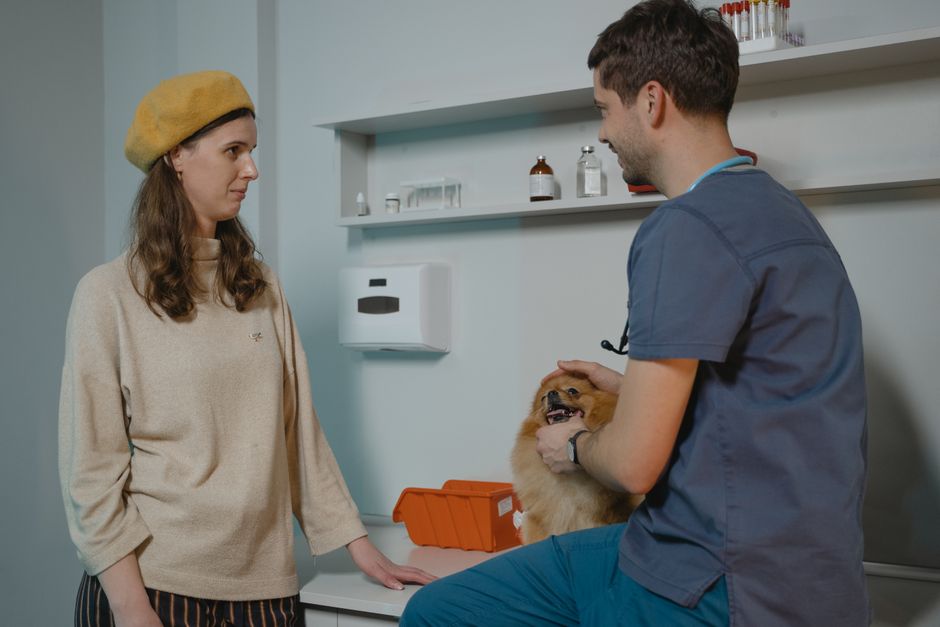
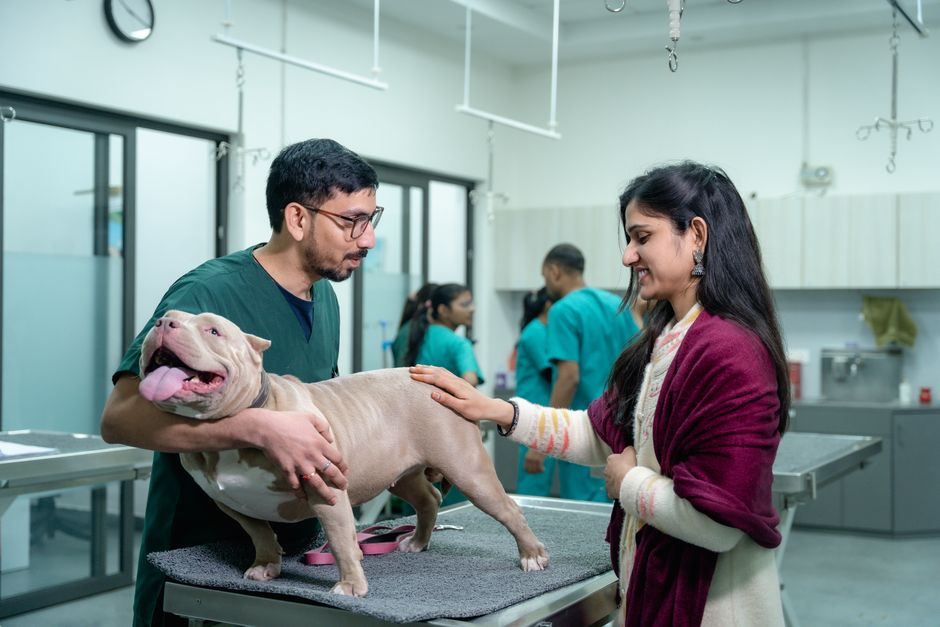
Our approach at Express Vets starts with understanding your pet’s individual lifestyle, breed, and health status. During a routine wellness examination, we assess your pet’s body condition, muscle tone, and coat quality while discussing any changes in activity or appetite you have noticed at home. This thorough examination helps us determine if your pet’s current diet is meeting their needs or if adjustments are warranted for the winter season.
For pets that are primarily indoors and less active, our veterinarians may recommend a slightly lower calorie diet or smaller meal portions to prevent winter weight gain. This could mean switching to a food labeled for weight management or simply reducing treats and table scraps that can add unnecessary calories. On the other hand, active dogs, working breeds, or pets spending significant time outside may need a diet with higher caloric content and increased protein or fat to support their energy requirements and help them stay warm.
We also pay close attention to the quality of your pet’s food, ensuring it contains a balance of proteins, fats, carbohydrates, vitamins, and minerals. In some cases, we might suggest incorporating foods rich in omega-3 and omega-6 fatty acids to support skin and coat health, which can be especially beneficial when dry air or frequent bathing leads to irritation. For pets with specific health issues, such as allergies or sensitive stomachs, our specialty diets services can help you select a food that addresses both their medical and seasonal needs.
Cats have unique winter nutrition needs as well. Many cats become less active in the winter, which can predispose them to weight gain. Our veterinary professionals may recommend portion control, interactive feeding toys to encourage movement, or switching to a lower-calorie food if needed. For senior pets or those with chronic health conditions, we tailor our recommendations to ensure their diet supports joint health, immune function, and overall wellbeing throughout the colder months.
At-Home Strategies to Support Your Pet’s Winter Nutrition
Supporting your pet’s health in winter goes beyond just what you put in their bowl. Simple changes in daily routines can make a significant difference. Start by monitoring your pet’s weight and body condition every couple of weeks; running your hands along their ribs and back can help you notice changes before they become problematic. If you notice that your pet is gaining weight, try reducing treats and encouraging more playtime indoors. Interactive toys, puzzle feeders, or even short games of fetch in the hallway can help keep your pet moving.
Maintaining a consistent feeding schedule is helpful, as pets thrive on routine. Make sure your pet always has access to fresh water, as heated homes can dry out the air and lead to mild dehydration, especially in cats. If your pet seems less interested in drinking, try offering water in different bowls or using a pet water fountain to encourage more frequent hydration.
For pets that spend time outdoors, ensure they have adequate shelter and that their water bowls do not freeze. Consider feeding them shortly before or after outdoor play to give them a nutritional boost when they need it most. If your pet’s coat looks dull or their skin seems dry, consult our veterinarians about supplements or diet changes; omega fatty acid supplements or a food formulated for skin and coat health can often provide noticeable improvements.
It’s also wise to be mindful of foods that are unsafe for pets, particularly around the holidays when treats and table scraps are more common. Foods like chocolate, onions, grapes, and certain artificial sweeteners can be toxic. If you are ever unsure about a food or treat, our primary care services can provide guidance tailored to your pet’s specific needs and medical history.
When to Seek Veterinary Guidance for Winter Nutrition
While many winter nutrition adjustments can be managed at home, there are times when professional veterinary input is essential. If you notice persistent changes in your pet’s appetite, sudden weight loss or gain, vomiting, diarrhea, or skin and coat problems that do not resolve with simple adjustments, it’s time to schedule an appointment. These signs may indicate underlying health issues that require prompt attention beyond just dietary changes.
Pets with chronic diseases such as diabetes, kidney disease, or allergies may need more frequent check-ins to ensure their diet continues to align with their medical needs as the seasons change. Our veterinary team can perform a wellness assessment, run diagnostic tests if needed, and recommend the best nutrition plan for your pet’s overall health. If your pet is due for a routine checkup, the winter months are an excellent time to review their diet and make sure they are on the right track.
Remember that sudden changes in behavior or appearance, such as lethargy, refusal to eat, or difficulty moving, warrant immediate veterinary evaluation. Do not delay in reaching out, as early intervention often leads to better outcomes. Our team of veterinarians is committed to providing the support and expertise you need, whether your pet is simply adjusting to the season or experiencing more complex health concerns.
Keeping Your Pet Happy and Healthy All Winter Long
Winter in Northern Georgia brings unique opportunities and challenges for pet owners. By staying attentive to your dog or cat’s changing needs, adjusting their diet thoughtfully, and seeking guidance from experienced veterinary professionals, you can ensure your companion thrives through the coldest months of the year. If you are searching for a trusted "vet near me" who understands the local climate and cares deeply about your pet’s wellbeing, Express Vets is here to help.
Whether you are interested in a wellness examination, have questions about specialty diets, or need advice on supporting your pet’s skin and coat, our caring team is ready to assist. We encourage you to schedule an appointment or call us at (678) 397-7377 to discuss your pet’s needs this winter. At Express Vets, we are dedicated to providing high-quality, compassionate care to pets in Northern Georgia and surrounding communities, ensuring your four-legged family members stay healthy and happy all year long.
This blog is intended for informational purposes only and should not replace professional veterinary advice. Always consult with your veterinarian for recommendations tailored to your pet’s unique health needs. For more information about pet nutrition, visit the American Veterinary Medical Association’s nutrition resources at AVMA Nutrition.